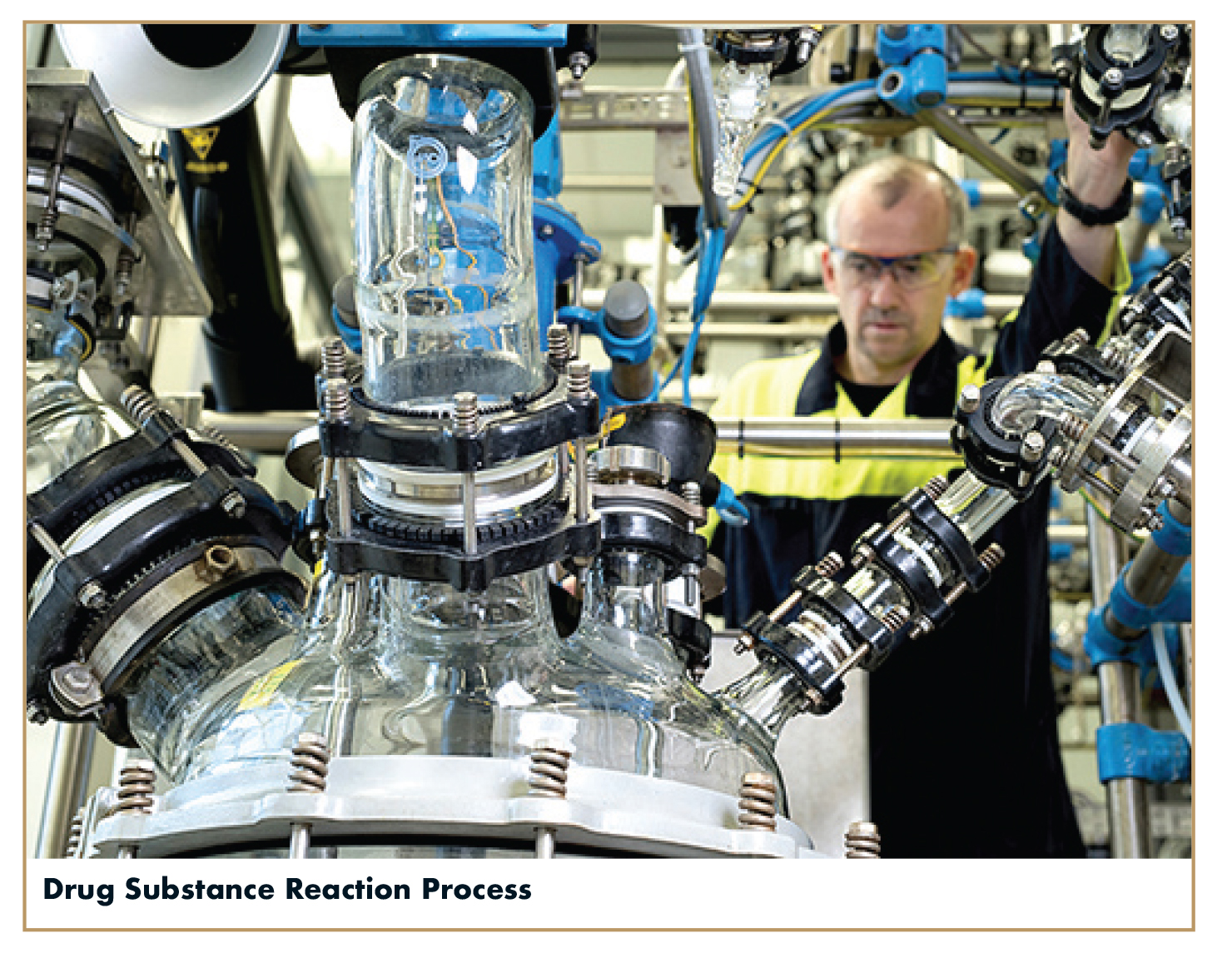
Orphan drug development, vital for addressing the unmet needs of patients with rare diseases, faces significant challenges, particularly in Chemistry, Manufacturing, and Controls (CMC). The rapid expansion of this sector, driven by regulatory incentives like the US Orphan Drug Act, has largely been fueled by small, emerging sponsors. These companies, while innovative, often lack the extensive resources and knowledge of larger firms, leading to reliance on fragmented external partnerships. This can result in critical oversights that jeopardize product quality and timelines, as highlighted in a recent industry report identifying manufacturing and supply chain issues as primary concerns for biopharma companies.
Despite the urgency of orphan drug development, the necessity for rigorous CMC processes remains paramount. Regulatory bodies maintain stringent expectations for product quality and safety, irrespective of the expedited pathways available for orphan drugs. The limited clinical data and small batch production typical of these therapies necessitate meticulous planning and execution to avoid costly setbacks. As the industry grapples with these complexities, understanding and mitigating common pitfalls in CMC can be crucial for ensuring that promising therapies reach the patients who need them.
Get started today with Solo access →