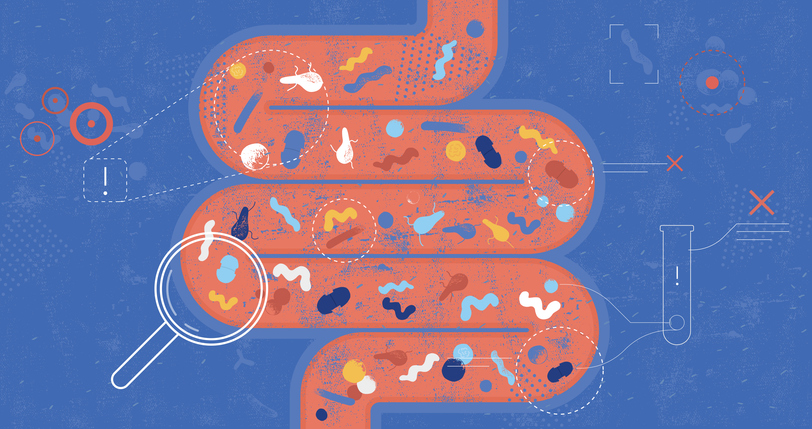
The recent study published in Nature Communications highlights a critical finding regarding celiac disease: the benefits of dietary fiber are significantly influenced by the gut microbiome. Celiac disease, an autoimmune disorder triggered by gluten, leads to mucosal damage in the small intestine and often results in nutrient deficiencies, including fiber. While patients are typically advised to increase fiber intake, this new research indicates that the effectiveness of fiber is contingent upon the presence of specific gut bacteria, particularly the Prevotellaceae family.
Researchers discovered that individuals with celiac disease exhibit a reduced ability to metabolize dietary fiber due to the absence of these beneficial bacteria, a condition that persists regardless of adherence to a gluten-free diet. This finding underscores the inadequacy of gluten removal alone in restoring gut health, suggesting that future treatment strategies must incorporate microbiome-targeted interventions alongside dietary modifications.
As the study’s lead researcher, Dr. Mark Wulczynski, emphasizes, simply increasing fiber intake may not suffice without addressing the underlying microbiome deficiencies. This research opens avenues for combining fiber-rich diets with probiotics to enhance gut health, potentially transforming therapeutic approaches for the approximately one percent of the population affected by celiac disease.
Start your 7-day trial and see what the database can do →