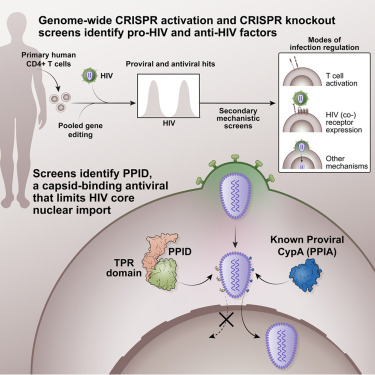
A groundbreaking study from Gladstone Institutes and the University of California, San Francisco (UCSF) has unveiled the first genome-wide map of human genes that either promote or inhibit HIV infection in primary human CD4+ T cells. Published in Cell, this research addresses a critical gap in HIV studies, which have largely relied on immortalized cell lines, failing to capture the complexities of real human immune responses.
By overcoming significant technical challenges in infecting primary T cells with HIV, the research team achieved an unprecedented infection rate of approximately 70%. This advancement allowed for comprehensive genome-scale CRISPR perturbations, revealing hundreds of host factors that influence HIV dynamics. Notably, the study identified two novel antiviral proteins, PI16 and PPID, which play crucial roles in restricting viral entry and nuclear import, respectively.
The implications of these findings are profound, suggesting potential pathways for developing new therapeutic strategies that enhance the immune system’s ability to combat HIV. Furthermore, the research establishes a robust platform for investigating HIV latency, which remains a significant hurdle in effective treatment. As the field progresses, these insights could pave the way for innovative interventions aimed at eradicating hidden viral reservoirs.
Get started today with Solo access →