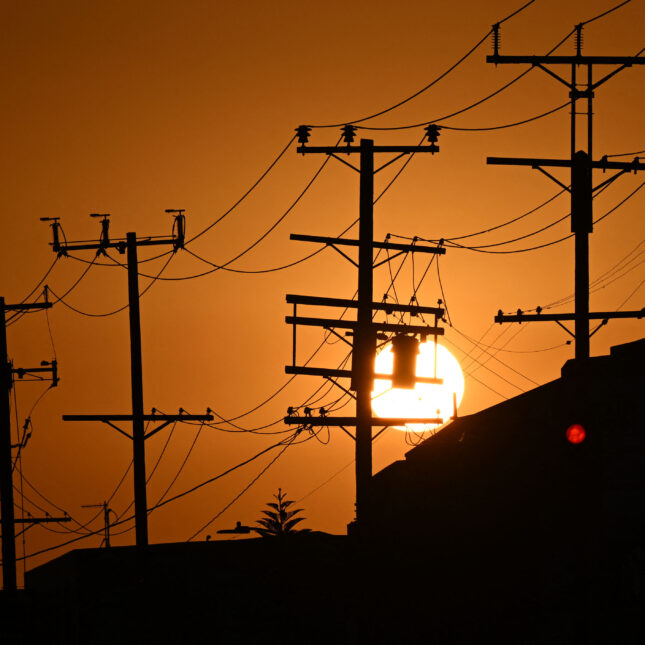
Recent studies indicate that extreme heat is disproportionately affecting Black Americans, exacerbating existing health disparities. As climate change accelerates, the frequency and intensity of heatwaves are expected to rise, leading to increased risks of heat-related illnesses and mortality among vulnerable populations. This trend highlights the urgent need for targeted public health interventions and policies that address the unique challenges faced by these communities.
The implications for public health officials and policymakers are significant. Understanding the intersection of race, health, and climate is crucial for developing effective strategies to mitigate the impacts of extreme heat. This may involve enhancing community resilience through improved access to cooling centers, public awareness campaigns, and tailored healthcare services. As the climate crisis continues to unfold, the healthcare system must adapt to protect those most at risk and ensure equitable health outcomes for all populations.
Get started today with Solo access →