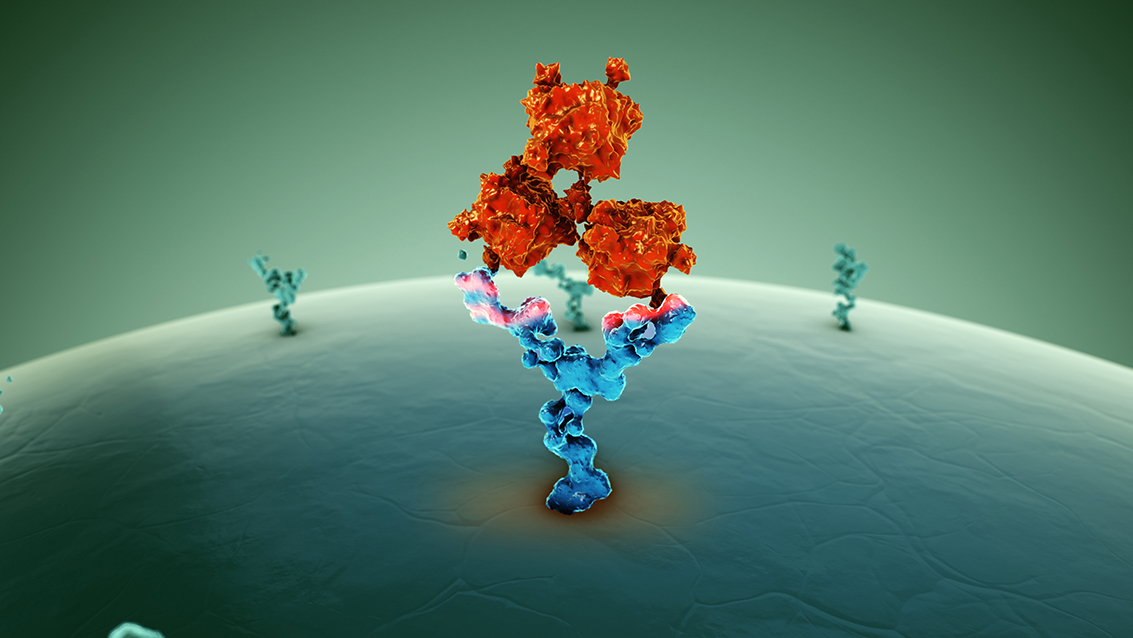
In a groundbreaking study published in Science, researchers from the University of Chicago have identified trans-vaccenic acid (TVA), the predominant trans fatty acid in human breast milk, as a significant factor in enhancing immune system development in mice. This discovery highlights the critical role that specific dietary components can play in shaping neonatal immune responses.
The study demonstrated that nursing female mice fed a TVA-enriched diet transmitted this nutrient to their pups, resulting in increased immune cell production during early development. Genetic analyses revealed that TVA exposure reprogrammed immune cells, leading to improved pathogen responses. Mice nursed on TVA-rich milk exhibited faster and more effective reactions to infections, underscoring the potential long-term benefits of maternal nutrition.
Dr. Jing Chen, a co-corresponding author of the study, emphasized the unexpected impact of a single nutrient on immune development, suggesting that further exploration of TVA supplementation during pregnancy and breastfeeding could yield significant health benefits. The research also linked higher TVA levels in human breast milk to improved immune responses in preterm infants, indicating a promising avenue for enhancing neonatal health outcomes.
Use the database as your supply chain compass →