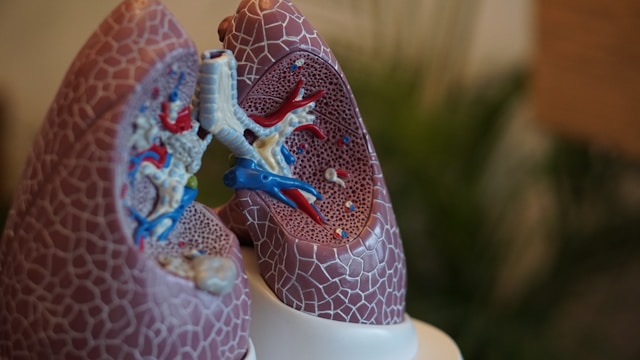
A study led by researchers at the University of Cambridge has identified three distinct subtypes of severe pneumonia, termed “pneumotypes,” which could significantly influence patient recovery in intensive care settings. By analyzing lung fluid from patients rather than relying solely on traditional symptom assessments, the researchers found that these pneumotypes corresponded to varied recovery outcomes, yet could not be detected through standard blood tests. This discovery highlights the inadequacy of current diagnostic methods in capturing the biological complexity of severe pneumonia.
The implications of this research are profound, particularly for the development of personalized treatment strategies. As Andrew Conway Morris, PhD, a senior author of the study published in Nature Communications, notes, understanding the inflammatory patterns in patients’ lungs could lead to tailored therapies that enhance recovery and reduce mortality rates. Currently, severe pneumonia is a leading cause of infectious death globally, with significant numbers requiring intensive care and mechanical ventilation.
Moreover, the identification of these pneumotypes suggests that existing therapeutic approaches may need reevaluation, as treatments effective for one subtype could be detrimental to another. The researchers advocate for a shift in clinical focus from a one-size-fits-all model to a more nuanced understanding of pneumonia’s biological underpinnings, which could ultimately transform patient management and outcomes in critical care settings.
Start your 7-day trial and see what the database can do →