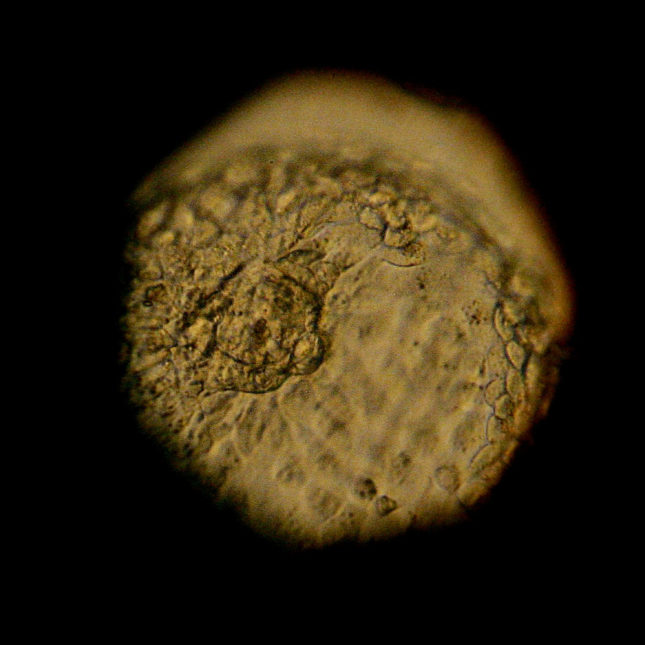
LONDON — The application of advanced genome-editing techniques in early human embryos has revealed critical insights into the role of essential genes during the initial stages of human development, according to a study published Thursday in the journal Nature. This research not only addresses fundamental biological questions but also intensifies the ongoing ethical debate surrounding the potential use of such technologies for reproductive purposes.
The findings indicate that next-generation CRISPR tools, particularly base editing, offer enhanced precision and reduced collateral damage compared to their predecessors. This advancement raises the prospect of clinical applications, such as correcting genetic mutations or, controversially, selecting for specific traits. Notably, the study demonstrated that embryos could endure genetic modifications while still developing to a stage suitable for implantation.
However, the research also highlighted a significant limitation: the edits were not uniformly successful across all cells within the embryos, resulting in a mixture of altered and unaltered cells. This inconsistency mirrors earlier findings and underscores the complexities and challenges that remain in the realm of genome editing, particularly when considering its implications for human reproduction.
Get started today with Solo access →