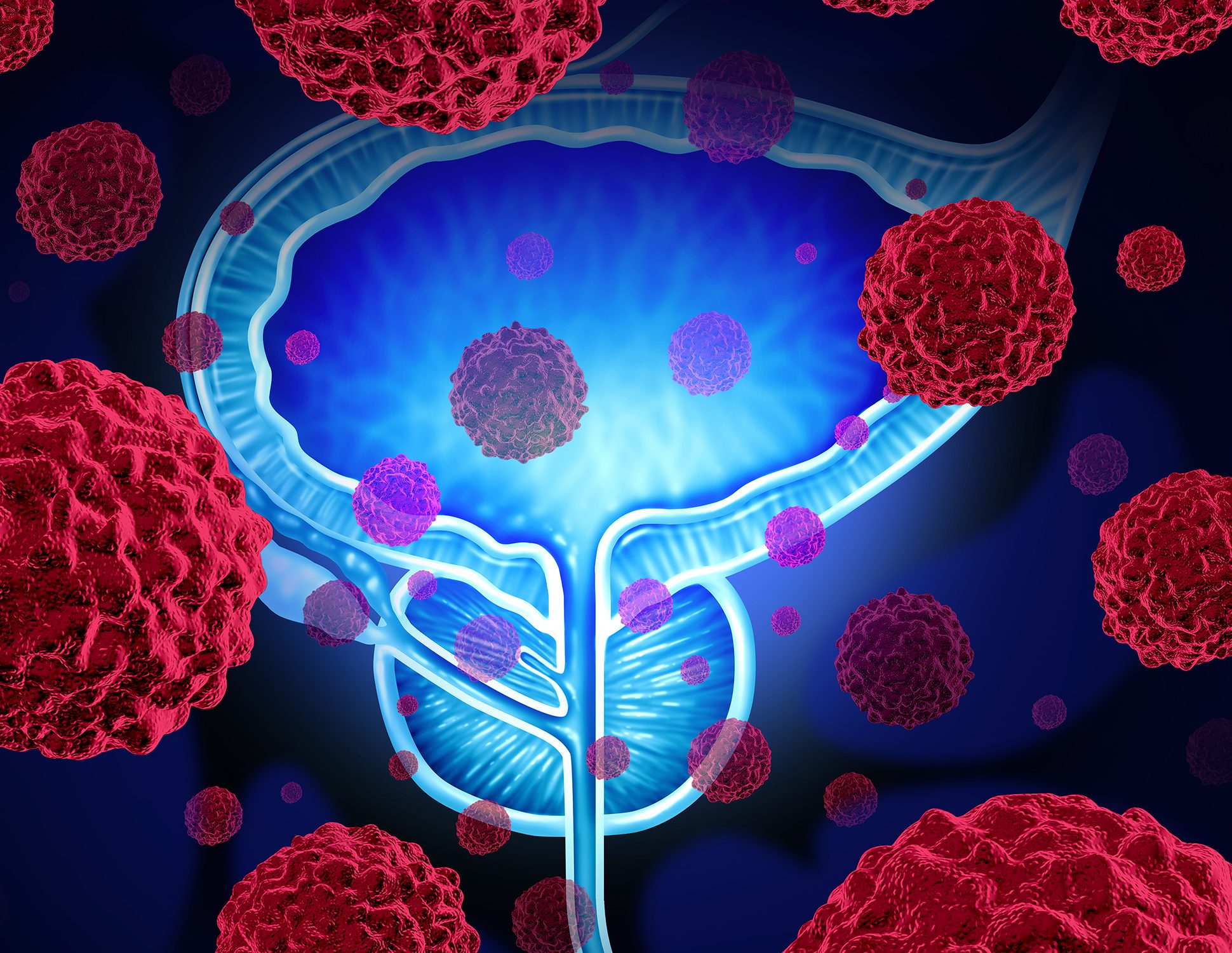
Researchers at Weill Cornell Medicine and Roswell Park Comprehensive Cancer Center have developed a promising intravesical CAR T-cell therapy targeting bladder cancer. Their preclinical study, co-led by Dr. Taha Merghoub, identified the protein MUC16 as a viable target for bladder cancer treatment. By delivering MUC16-targeting CAR T cells directly into the bladder via catheter, the team demonstrated significant tumor control in mouse models, suggesting potential applicability in human patients.
Published in the Journal of Experimental Medicine, the findings highlight the limitations of current bladder cancer treatments, which often involve invasive procedures and have high recurrence rates. The researchers emphasize the unmet clinical need for bladder-sparing therapies, particularly for high-risk patients unfit for bladder removal. This study not only establishes MUC16 as a relevant target but also advocates for intravesical delivery as a practical and effective method for administering CAR T-cell therapy.
While CAR T-cell therapy has shown success in hematological malignancies, challenges remain in solid tumors due to off-target effects and limited tumor infiltration. The innovative approach of direct delivery to the bladder could mitigate these issues, enhancing the therapeutic index. The study’s findings pave the way for further exploration of CAR T-cell therapies targeting other antigens in bladder cancer, potentially transforming treatment paradigms for this challenging disease.
Use the database as your supply chain compass →