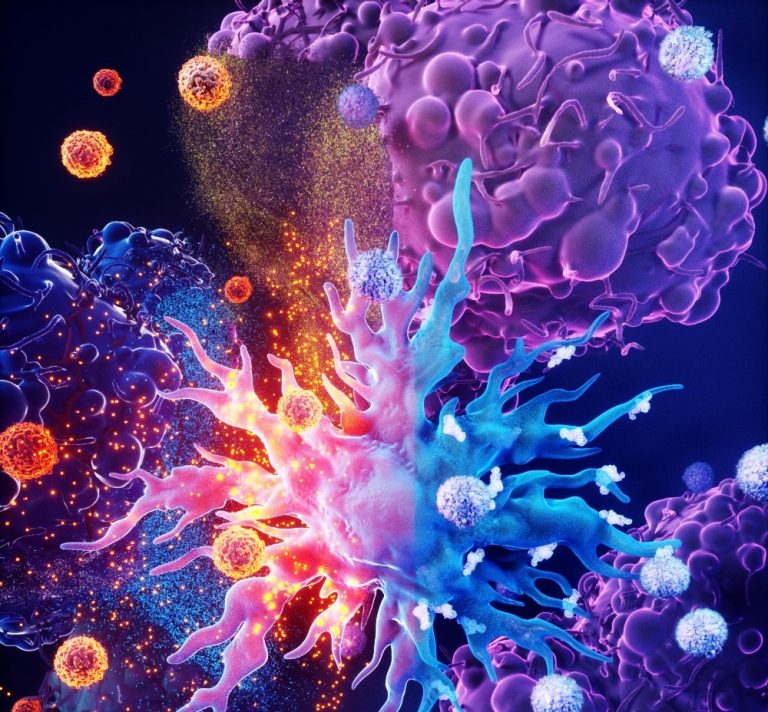
Research led by Stanford Medicine has unveiled two proteins, NEDD8 and SUMO2, that play opposing roles in the development and maintenance of healthy skin. These proteins belong to the ubiquitin-like protein family, which is integral to cellular processes. The study suggests that modulating the activity of these proteins through topical treatments could offer new avenues for reducing inflammation, enhancing wound healing, and potentially inhibiting skin cancer progression.
According to Paul Khavari, MD, PhD, chair of dermatology at Stanford, NEDD8 promotes a stem-cell state, while SUMO2 drives differentiation, creating a balance that is crucial for cellular fate. This specificity in their functions is particularly noteworthy, as it presents a unique opportunity for therapeutic targeting. The research highlights how disruptions in these pathways can lead to skin disorders, underscoring the potential for targeted interventions in dermatological conditions.
The implications of this discovery extend beyond basic science; they open new doors for innovative treatments aimed at various skin diseases. By understanding the mechanisms through which these proteins operate, pharmaceutical companies may develop therapies that not only address existing conditions but also enhance overall skin health.
Start your 7-day trial and see what the database can do →