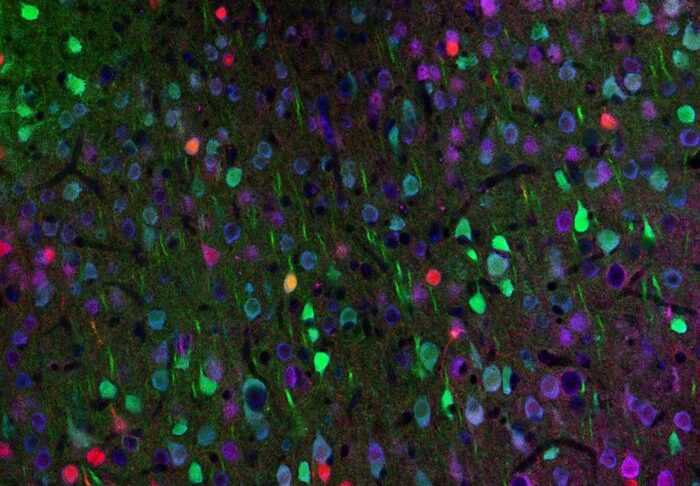
Recent research has demonstrated that optogenetic activation of vasoactive intestinal peptide (VIP) neurons can restore brain function in a mouse model of Huntington’s disease, a neurodegenerative disorder characterized by cognitive and motor deficits. The study, published in Nature, reveals that the disease disrupts the balance of activity across various neuron types, particularly affecting inhibitory neurons. Researchers tracked these neural changes and identified that VIP neurons exhibited significantly reduced activity, which is crucial for learning and adapting brain circuits.
This groundbreaking work indicates that selectively targeting specific neuron types can lead to functional recovery, even in complex neurodegenerative conditions. By stimulating VIP neurons, the researchers were able to restore normal activity patterns and improve motor learning in the affected mice. The findings suggest a promising therapeutic avenue for Huntington’s disease and potentially other neurodegenerative disorders, emphasizing the importance of understanding neural circuit imbalances for developing effective treatments.
Get started today with Solo access →