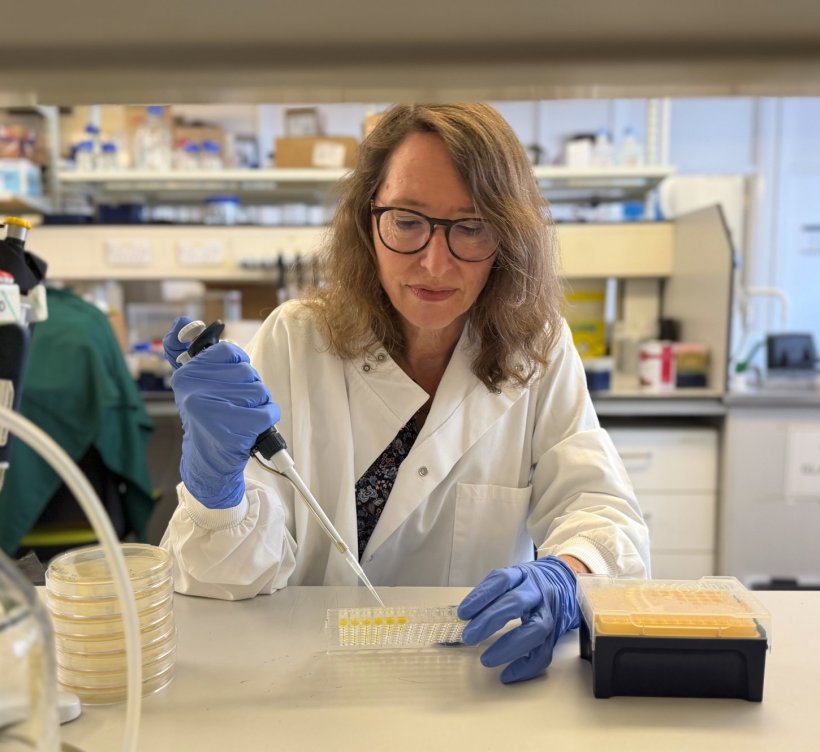
Researchers at the Centre for Kidney and Bladder Health, University College London, have developed a novel human 3D micro-bladder model that demonstrates the efficacy of phage therapy in addressing recurrent urinary tract infections (UTIs). This innovative model allows for the simulation of real urinary tract conditions, highlighting the limitations of traditional antibiotics against bacteria that can hide within the bladder tissue.
The study, led by Professor Jennifer Rohn, focuses on uropathogenic Escherichia coli (UPEC), the primary cause of UTIs. By employing a cocktail of phages—viruses that specifically target bacteria—the researchers found that these agents could penetrate and eliminate bacterial reservoirs that conventional antibiotics fail to reach. Rohn emphasized the significance of their findings, stating that the bladder microenvironment profoundly influences infection dynamics and treatment outcomes.
With approximately 400 million UTI cases globally each year, the implications of this research are substantial. The increasing prevalence of antimicrobial resistance exacerbates the challenge of treating recurrent infections. The study suggests that combining phage therapy with existing antibiotics could enhance treatment effectiveness, potentially paving the way for new therapeutic strategies in an era where antibiotic efficacy is waning. This research not only underscores the importance of realistic models in drug testing but also opens avenues for more effective UTI management strategies.
Get started today with Solo access →