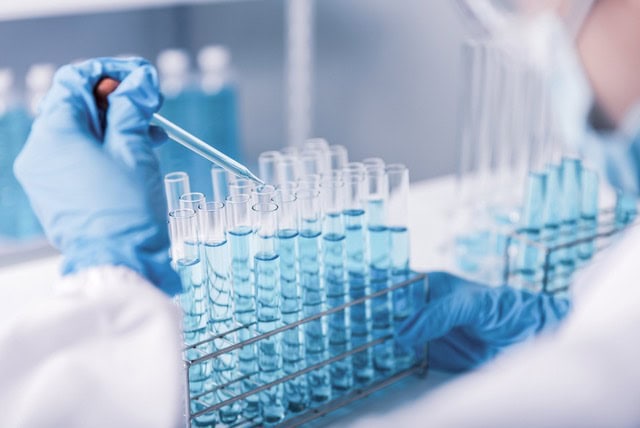
University of Birmingham scientists have developed a pioneering multi-responsive gel that transitions from a solid-like state to a liquid under ultraviolet light, with the ability to be reformed through heat or dismantled by acid. This innovative material, constructed from synthetic ‘foldamers’—molecules capable of folding into specific shapes—holds promise for advancing smart sensors, switchable catalysts, and targeted drug delivery systems.
The gel’s transformation is triggered by ultraviolet light, which alters the molecular structure of the foldamers, leading to a loss of its solid-like properties. This reversible process, along with the gel’s conversion into a water-containing hydrogel, underscores its potential applications in biotechnology and medicine, particularly in creating materials that intelligently respond to environmental cues, such as releasing drugs in response to changes in acidity in diseased tissues.
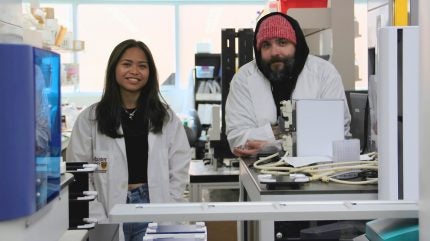
Dr. Chiara Arno emphasizes the significance of supramolecular materials that utilize reversible interactions, allowing for robust yet adaptable structures. The research team employed advanced dynamic nuclear polarization-enhanced solid-state NMR spectroscopy to gain unprecedented insights into the gel’s molecular architecture, facilitating a deeper understanding of its responsive behavior. This breakthrough could significantly enhance the design of next-generation drug delivery systems, aligning with the industry’s ongoing pursuit of more effective and targeted therapeutic solutions.
Get started today with Solo access →