Globally, the incidence of newly diagnosed cancer cases is projected to increase over the next decade. Despite advancements in personalized medicine and therapeutic options, cancer diagnoses remain challenging, particularly as many patients are diagnosed at advanced stages (III/IV) when the disease has metastasized, leading to poorer prognoses and clinical outcomes.
Improving patient outcomes necessitates technological advancements for early detection when the disease is localized (stages I/II). However, effective screening options for many cancer types remain limited. Recent efforts in the field have shifted toward uncovering the biological pathways and molecular profiles underlying disease onset, progression, and metastasis, with liquid biopsy technologies emerging as a promising solution. These minimally invasive assays can detect tumor-derived biomarkers, potentially identifying cancer at earlier stages and positively impacting patient survival.
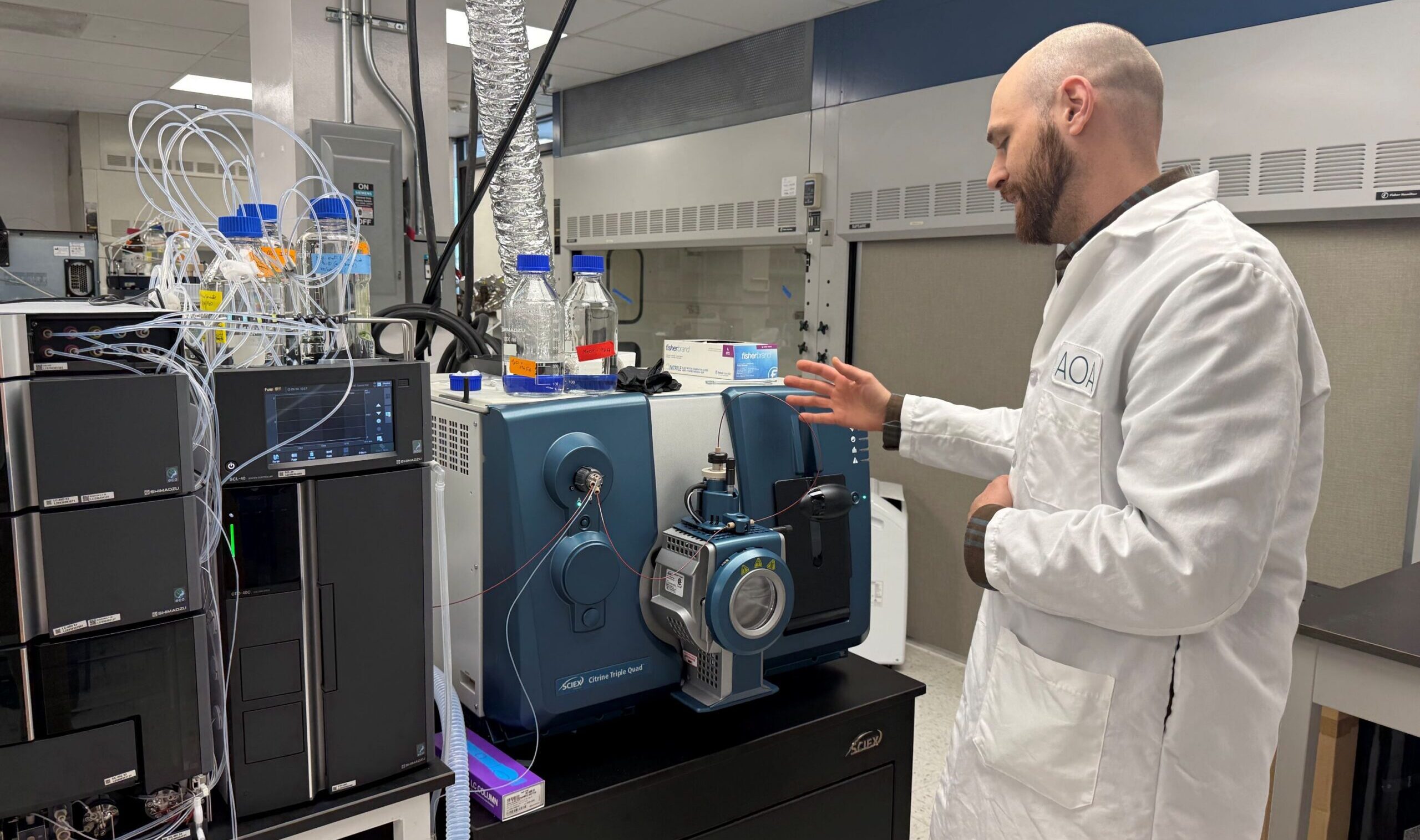
Nevertheless, limitations due to complexity and cost persist, and the performance of these assays for early-stage cancer detection remains largely unproven. In this context, mass spectrometry (MS) has emerged as a powerful tool for oncology, particularly for liquid biopsy-based early detection. MS-based omics approaches offer high sensitivity, specificity, and accuracy, enabling the identification and quantification of a wide range of molecules, from small metabolites to larger proteins. As MS-based proteomics matures into a robust platform, it is now being leveraged to profile the metabolome and lipidome, providing critical insights into tumor metabolism and the surrounding microenvironments.
These advancements in lipidomics and metabolomics hold untapped potential for early-stage cancer diagnostics, allowing for the characterization of lipid molecules and their roles in cancer biology. By combining these insights with proteomics, clinicians can start to unravel the mechanisms driving cancer, paving the way for novel candidate biomarkers that can be translated into clinically actionable diagnostic endpoints.
Use the database as your supply chain compass →