A recent study from Cedars-Sinai Health Sciences University reveals that programmed cell death ligand 2 (PD-L2), a protein involved in immune checkpoint signaling, may play a crucial role in the accumulation of senescent cells—damaged cells that contribute to age-related dysfunction. Published in Cell Metabolism, the research indicates that PD-L2 allows these harmful cells to evade immune clearance, leading to their persistence in tissues and associated health issues.
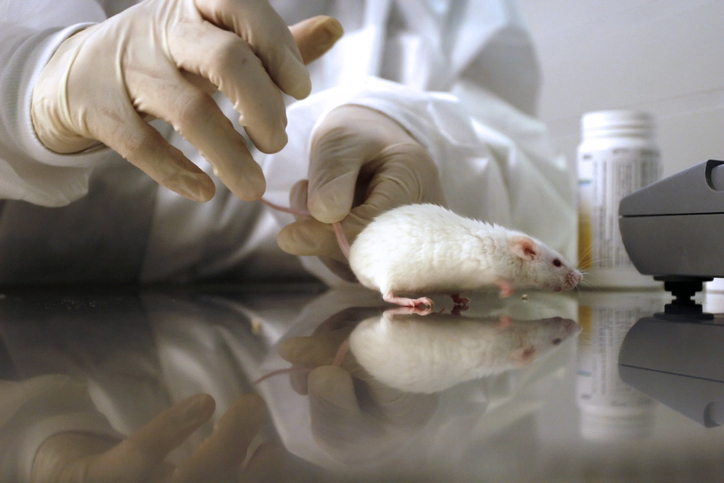
The study highlights that PD-L2 levels increase with age in both isolated senescent human cells and certain human tissues. In experimental models, older mice lacking PD-L2 demonstrated fewer senescent cells and improved metabolic function, suggesting that targeting PD-L2 could enhance the immune system’s ability to eliminate these detrimental cells. This aligns with the growing interest in senolytic therapies aimed at reducing the burden of senescent cells.
As the implications of these findings unfold, researchers emphasize the need for further investigation into the safety and efficacy of PD-L2 blockade in humans. If successful, such interventions could pave the way for novel strategies in combating age-related health problems, potentially transforming the landscape of geriatric medicine.
Get started today with Solo access →