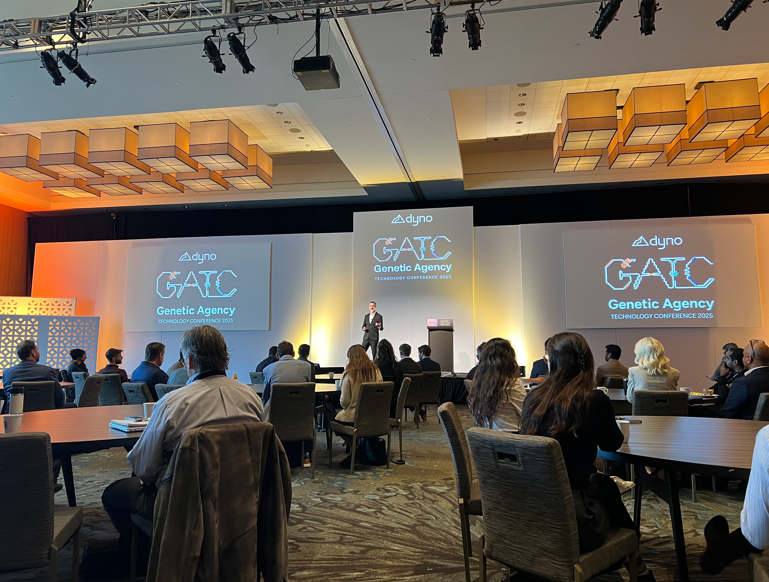
BOSTON – Artificial intelligence (AI) emerged as a pivotal theme at the recent Genetic Agency Technology Conference (GATC), organized by Dyno Therapeutics in Boston. This event brought together a diverse array of researchers, technologists, and entrepreneurs to explore the concept of ‘genetic agency,’ defined by Dyno as an individual’s capacity to influence their genetic makeup for improved health outcomes.
Among the program highlights were compelling patient advocacy stories from leaders such as Sonia Vallabh, PhD, from the Broad Institute, and Victoria Gray, the first sickle cell disease patient to receive CRISPR therapy. CEO Eric Kelsic, PhD, emphasized Dyno’s role as an ‘AI-first’ company, asserting that AI will democratize therapeutic design, thus enhancing genetic agency. The company has integrated advanced AI methodologies into its platform, addressing critical challenges in therapeutic design.
Dyno’s announcements included a call for beta testers for its expanded AI agent platform, which aims to streamline research and development workflows. Co-founder George Church, PhD, highlighted the proliferation of AI startups he has initiated, underscoring the growing intersection of AI and genetic medicine. With the rapid evolution of AI technologies, the implications for drug discovery and patient treatment are profound, setting the stage for significant advancements in the coming years.
Use the database as your supply chain compass →