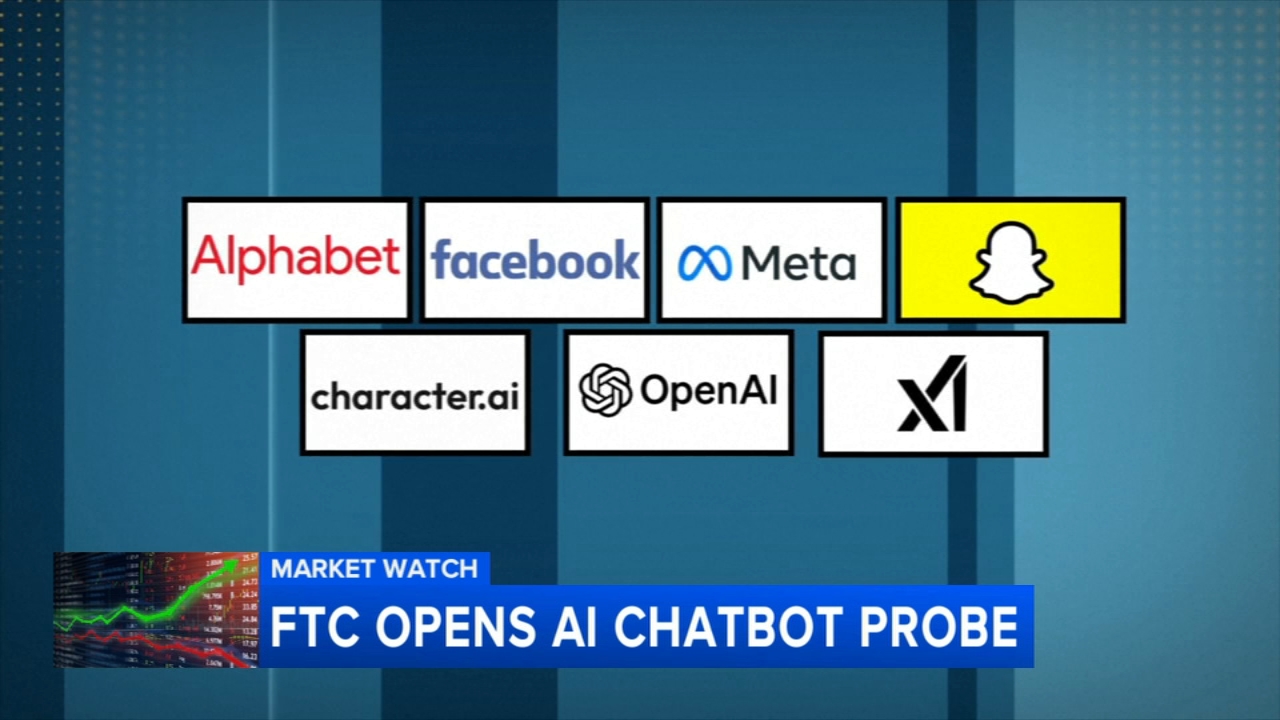
The increasing integration of AI chatbots into daily life has raised significant concerns regarding their role in mental health support. Recent studies indicate that nearly 75% of teenagers have interacted with AI companions, with many utilizing these platforms for emotional and mental health assistance. This trend underscores a shift in how individuals, particularly younger demographics, seek support, often turning to AI for companionship and guidance.
This reliance on AI for mental health support presents implications for both users and the healthcare industry. While these chatbots can offer immediate responses and a semblance of companionship, the lack of human empathy and understanding poses risks. Users may receive inappropriate or inadequate responses, leading to potential harm rather than help. As the technology evolves, regulatory bodies and mental health professionals must closely examine the effectiveness and safety of AI in therapeutic contexts, ensuring that user welfare remains a priority.
Start your 7-day trial and see what the database can do →