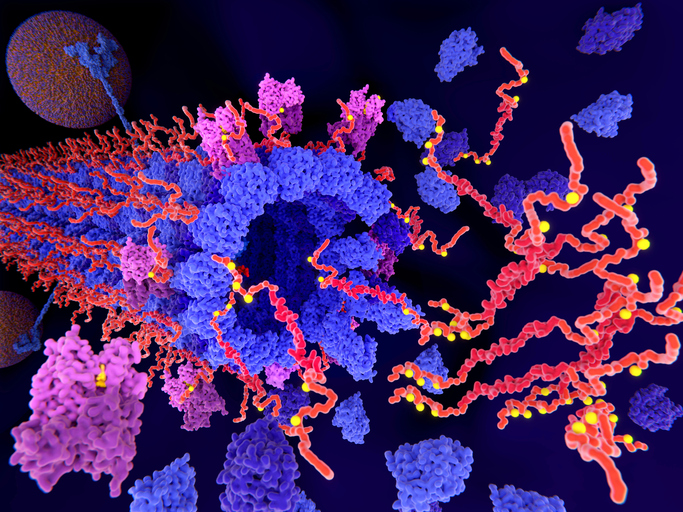
New research from Mass General Brigham and Harvard University reveals that hyperphosphorylated tau, a key protein in tauopathies like Alzheimer’s disease, may serve as a viral defense mechanism against infections such as herpes simplex virus 1 (HSV1). This study, published in Nature Neuroscience, suggests that tau’s antimicrobial properties could explain the protein’s role in Alzheimer’s pathology.
Senior author Dr. Rudolph Tanzi posits that genetic predispositions to Alzheimer’s may have originally conferred a survival advantage against infections in early human populations. However, as human lifespans increased, these same genetic traits may have inadvertently heightened susceptibility to Alzheimer’s disease. This duality underscores the complex evolutionary interplay between infection defense and neurodegeneration.
The research indicates that tau hyperphosphorylation is part of an antiviral response, where tau acts as a host defense protein. The findings suggest that Alzheimer’s pathology, characterized by amyloid plaques and neurofibrillary tangles, may have evolved as a coordinated immune response to microbial threats in the brain. This novel perspective on tau’s function could inform future therapeutic strategies targeting Alzheimer’s and related neurodegenerative diseases.
Use the database as your supply chain compass →