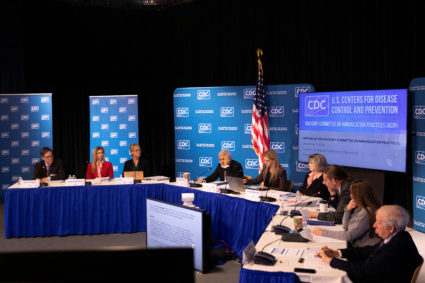
The Centers for Disease Control and Prevention (CDC) has officially ended its universal recommendations for the hepatitis B vaccine in newborns, marking a significant shift in public health policy that has been in place since 1991. This decision comes after a thorough review of current epidemiological data and vaccination outcomes, suggesting that the prevalence of hepatitis B in newborns has decreased sufficiently to warrant a reevaluation of the previous guidelines.
This change reflects a growing confidence in the effectiveness of targeted vaccination strategies, which may allow for more efficient allocation of healthcare resources. However, it raises important questions about the long-term implications for public health, particularly in vulnerable populations where hepatitis B remains a concern. Stakeholders in the pharmaceutical and healthcare sectors will need to closely monitor these developments, as they may influence vaccine production, distribution strategies, and regulatory frameworks moving forward.
Use the database as your supply chain compass →