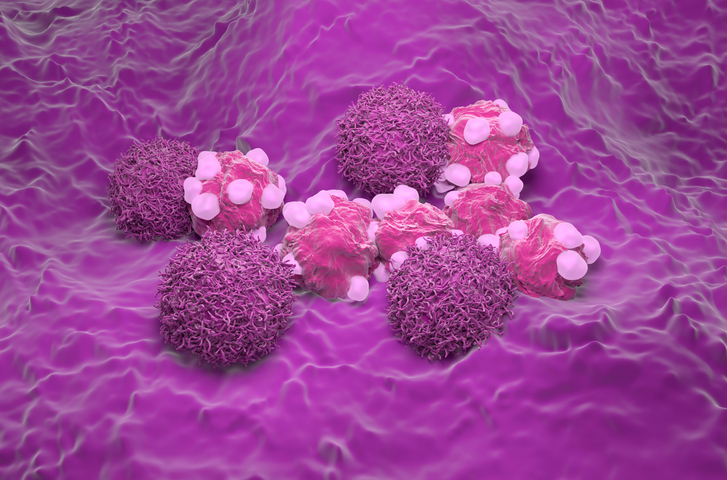
The development of a novel intranasal nanogel vaccine by researchers at Chiba University represents a significant advancement in the treatment of cervical cancer, a disease primarily driven by persistent infection with high-risk strains of human papillomavirus (HPV). Current therapeutic options, including surgery and chemotherapy, are often invasive and can adversely affect patients’ quality of life. The new vaccine, detailed in a study published in Science Translational Medicine, aims to activate local immune responses and inhibit tumor growth, potentially offering a non-invasive alternative.
Led by associate professor Rika Nakahashi-Ouchida, MD, and Hiromi Mori, the research highlights the use of cationic cholesteryl-group-bearing nanogels to deliver HPV antigens directly to the nasal mucosa. This innovative approach not only enhances immune response but also targets the E7 oncoprotein of HPV16, a key player in cervical cancer progression. The positive results observed in preclinical models, including significant immune activation in both mice and macaques, underscore the translational potential of this therapeutic strategy.
Given the alarming statistics from the World Health Organization, which reported approximately 670,000 new cervical cancer cases and 350,000 deaths in 2022, the urgency for effective therapeutic options is clear. The Chiba University team’s findings could pave the way for a new category of non-invasive treatments, thereby addressing an unmet medical need and improving patient outcomes. As further clinical testing is anticipated, this research may herald a transformative shift in the management of HPV-related cancers, emphasizing the importance of innovative immunotherapies in modern oncology.
Open the full market picture for your next decision →