A new paper published in Science Translational Medicine describes an experimental drug capable of repairing DNA damage caused by disease. Developed by scientists at Cedars-Sinai, the potential treatment is a prototype for a new class of medications that fix tissue damage caused by heart attacks, inflammatory disease, and other conditions. Details of the drug, dubbed TY1, can be found in the paper titled “Augmentation of DNA exonuclease TREX1 in macrophages as a therapy for cardiac ischemic injury.”
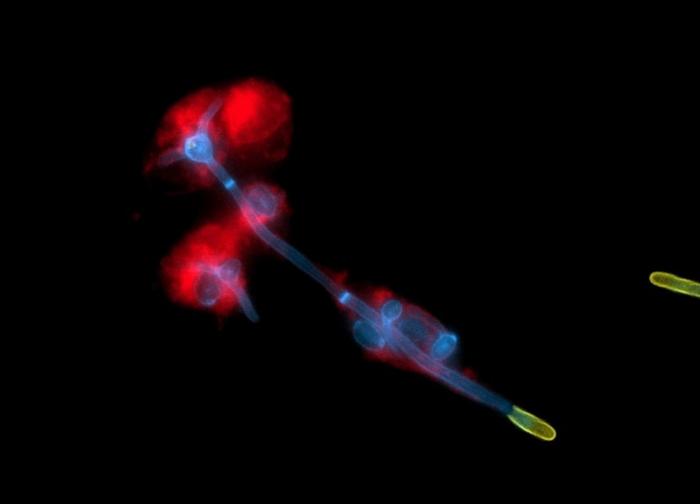
According to its developers, TY1 is a laboratory-made version of an RNA molecule that naturally exists in the body. It enhances the action of a gene called TREX1, which helps immune cells clear damaged DNA and supports tissue repair. Eduardo Marbán, MD, PhD, executive director of the Smidt Heart Institute at Cedars-Sinai, noted that TY1 represents the “first exomer—a new class of drugs that address tissue damage in unexpected ways.” This discovery allows for healing without the use of stem cells, marking a significant advancement in regenerative medicine.
The studies leading to TY1’s development have spanned over two decades, with Marbán’s previous work at Johns Hopkins University focusing on isolating progenitor cells from the human heart. At Cedars-Sinai, his team found that these progenitor cells release exosomes containing RNA molecules that facilitate tissue repair and regeneration. By sequencing the RNA in these exosomes, researchers identified a particularly abundant RNA molecule that proved effective in promoting healing after heart attacks in laboratory animals.
TY1 is a synthetic, engineered version of this RNA molecule, designed to mimic the structure of approved RNA drugs currently in clinical use. It boosts the production of immune cells that reverse DNA damage, thereby minimizing scar tissue formation after heart attacks. The implications of TY1 extend beyond cardiac applications; it also shows promise in treating autoimmune diseases that lead to tissue damage, suggesting a novel mechanism for tissue healing with broad therapeutic potential.
The next step involves studying TY1 in clinical trials, a critical phase to determine its efficacy and safety in human subjects.
Get started today with Solo access →