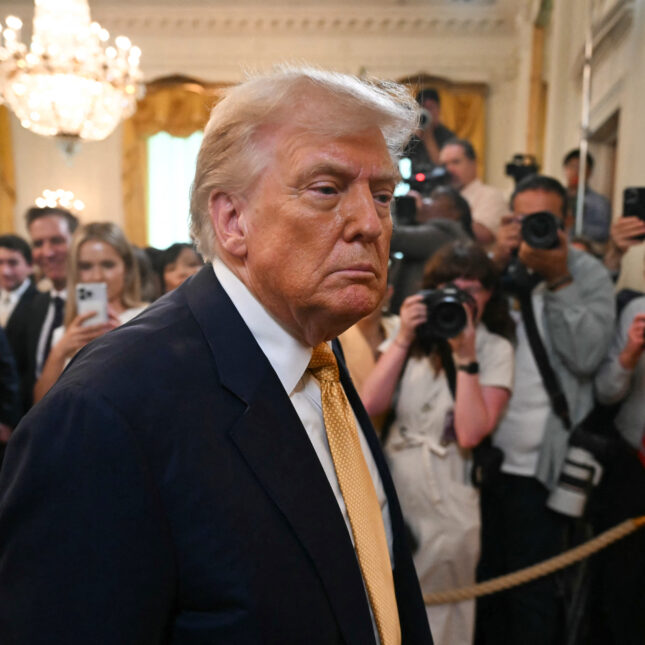
In a controversial declaration, former President Donald Trump has labeled fentanyl as a weapon of mass destruction, a statement that has sparked significant debate among experts in public health and drug policy. Over the past decade, fentanyl, an ultra-potent synthetic opioid, has been responsible for a staggering number of overdose deaths in the United States, contributing to a public health crisis that has devastated families and strained healthcare systems.
This assertion raises critical questions about the implications of categorizing fentanyl in such a manner. While its potential for harm is undeniable, framing it as a weapon of mass destruction could influence regulatory approaches and resource allocation in combating the opioid epidemic. Stakeholders in the pharmaceutical and regulatory sectors must consider how this rhetoric might affect policy decisions, funding for addiction treatment, and the overall strategy for addressing the opioid crisis.
Get started today with Solo access →