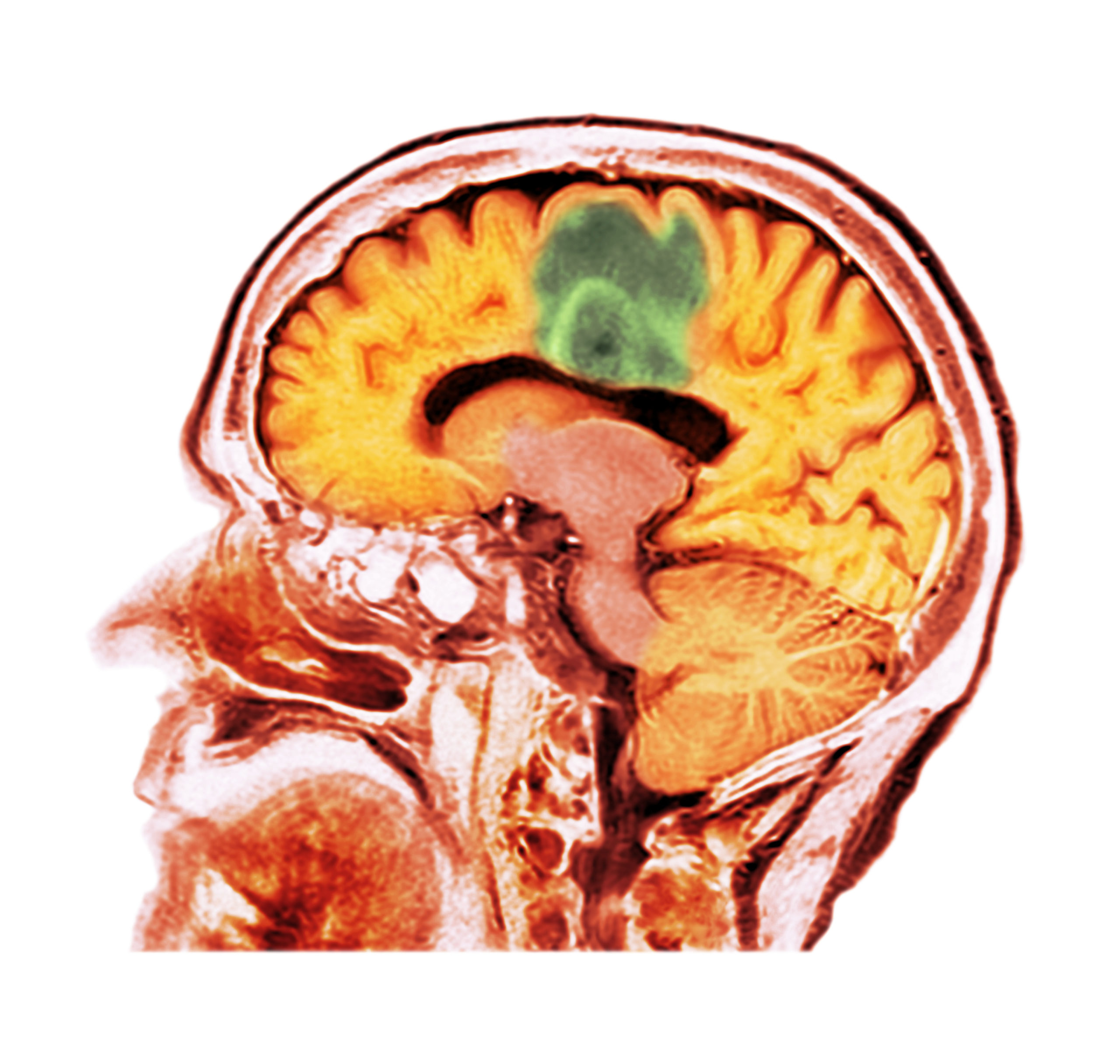
New research from the University of Sydney reveals that glioblastomas, notorious for their high recurrence rates and resistance to treatment, utilize a fertility gene, PRDM9, to survive chemotherapy. This discovery, detailed in the journal Nature Communications, sheds light on the mechanisms behind the persistence of these aggressive brain tumors despite conventional therapies.
The study identifies a subset of drug-tolerant cells, termed persister cells, that exploit PRDM9 to rewire their metabolism and generate cholesterol, thereby enhancing their survival during chemotherapy. Lead author Lenka Munoz, PhD, emphasizes that targeting this gene could pave the way for innovative therapeutic strategies that improve treatment outcomes.
Given that glioblastomas account for a significant proportion of brain tumors and have a dismal prognosis, the implications of this research are profound. By developing a brain-penetrant chemotherapy drug, WJA88, in conjunction with a cholesterol-lowering agent, researchers have demonstrated enhanced efficacy in preclinical models. This dual approach not only shrank tumors but also extended survival with minimal side effects, highlighting PRDM9 as a selective target for future cancer therapies.
The researchers are now collaborating with Australian biotech Syntara to advance PRDM9 inhibitors towards human trials, with the potential to revolutionize treatment for glioblastoma and possibly other difficult-to-treat cancers. This study underscores the importance of focusing on persister cells in cancer research, suggesting that strategies aimed at these elusive cells could significantly reduce the risk of relapse.
Start your 7-day trial and see what the database can do →