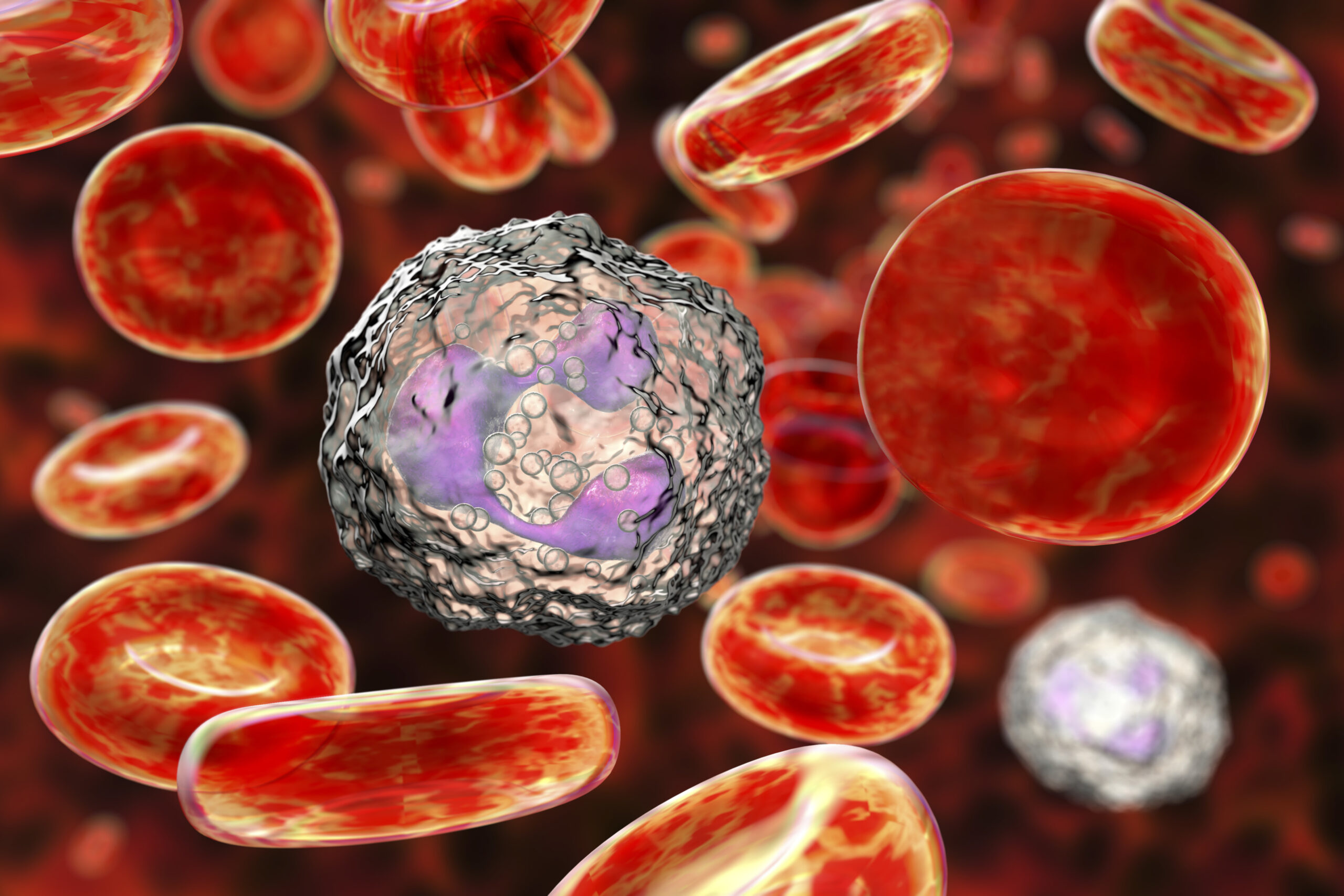
Researchers have unveiled NeuMap, the first comprehensive atlas of neutrophils, which could revolutionize our understanding of these crucial immune cells. Published in Nature, the study led by an international consortium, including institutions like the Centro Nacional de Investigaciones Cardiovasculares and Yale University, analyzed over one million cells through single-cell transcriptional profiling. This effort addresses longstanding challenges in understanding neutrophil function across various tissues and disease states, highlighting their significant heterogeneity.
NeuMap’s findings reveal that neutrophils organize into distinct functional hubs, including proliferative precursors and immunosuppressive subsets, with trajectories that shift based on health status. This research not only delineates the architecture of neutrophil biology but also identifies key molecular drivers influencing their fate, such as TGFβ and GM-CSF. The conservation of these patterns across species and sexes suggests that NeuMap could be a vital translational tool for developing new biomarkers and therapies targeting infections and diseases like cancer and cardiovascular conditions.
Get started today with Solo access →