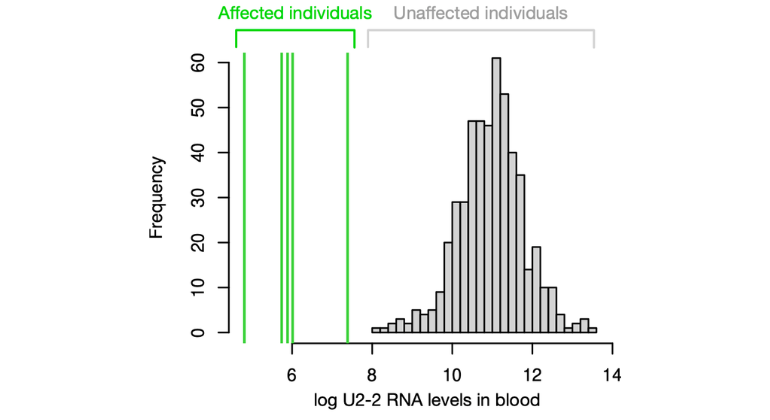
Researchers at the Icahn School of Medicine at Mount Sinai have unveiled a previously unidentified recessive neurodevelopmental disorder (NDD) linked to the gene RNU2-2, which is projected to affect thousands in the U.S. and account for approximately 10% of known recessive NDD cases. This disorder arises from a near-total absence of U2-2 RNA, a small nuclear RNA produced by the RNU2-2 gene, leading to significant implications for affected children.
Typically inherited from both parents, the genetic alterations result in disrupted brain development, with symptoms ranging from low muscle tone and developmental delays to severe conditions like epilepsy and movement disorders. The variability in symptoms underscores the disorder’s complex nature, which can evolve over time. This discovery not only provides clarity for families who have long sought answers but also presents a crucial biological target for future therapeutic developments.
Collaborating with international experts, the research team has laid the groundwork for potential gene replacement strategies, emphasizing the importance of understanding U2-2 RNA loss in neurodevelopment. As families are enrolled in the INDEED study for further investigation, the findings signal a promising direction for clinical management and future trials aimed at addressing this prevalent and previously overlooked disorder.
Start your 7-day trial and see what the database can do →