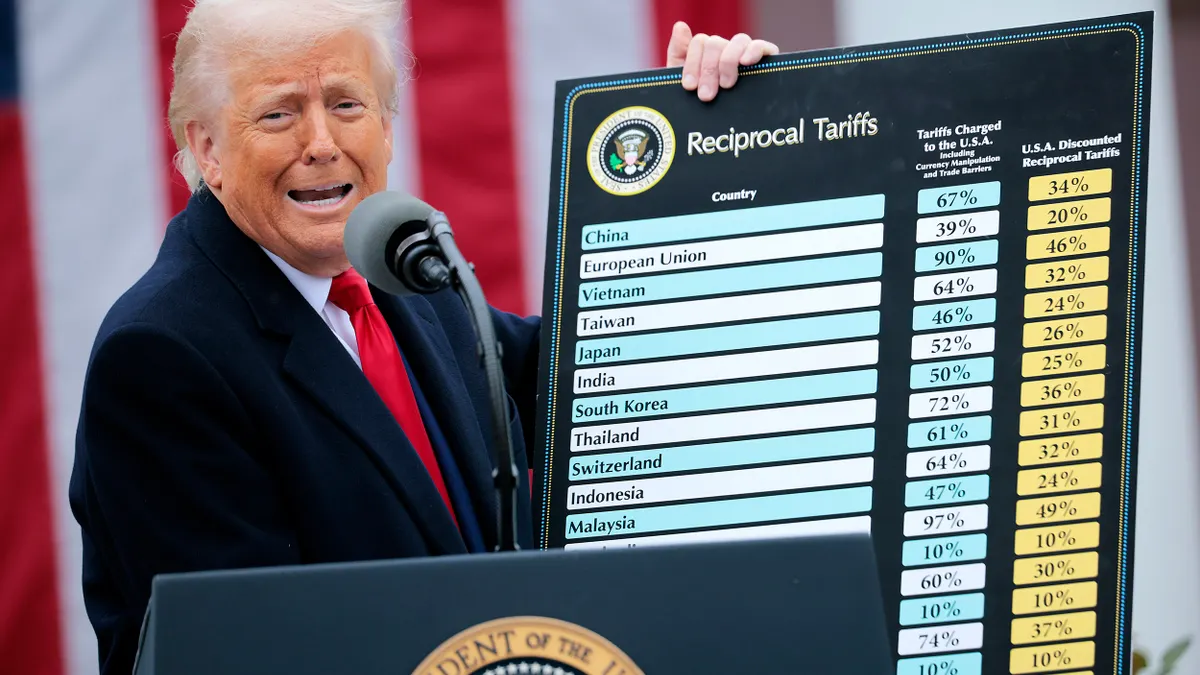
In a landmark 6-3 decision, the U.S. Supreme Court has invalidated former President Trump’s assertion that a 1977 law granted him the authority to impose sweeping tariffs on imports under the guise of national emergency powers. This ruling marks a significant shift in the legal landscape surrounding trade policies and executive authority, potentially curtailing the scope of future administrations to enact similar measures without explicit congressional approval.
The implications of this decision are profound for the pharmaceutical industry, which has been navigating a complex web of tariffs that impact sourcing, production costs, and ultimately, pricing strategies. With the court’s ruling, companies may find themselves in a more stable regulatory environment, allowing for better forecasting and planning in their supply chains. As the industry adapts to these changes, stakeholders must remain vigilant about potential shifts in trade policy that could arise from future administrations.
Get started today with Solo access →