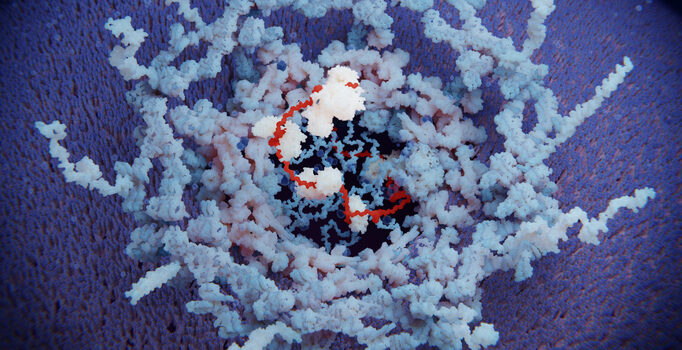
According to a new Stem Cell Reports paper, scientists have demonstrated that targeted delivery of mRNA can restore sperm production and fertility in genetically infertile male mice without introducing permanent changes to the germline. Full details are provided in a paper titled “Messenger RNA delivery into Sertoli cells restores fertility to congenitally infertile male mice.” The study was conducted by a team from Kyoto University, RIKEN, and other institutions.
The findings represent a significant advancement in the quest for therapies aimed at addressing infertility, a condition affecting up to 10 percent of couples globally, with male factors contributing to nearly half of these cases. The research highlights that male infertility often stems from disrupted interactions between germ cells and Sertoli cells, underscoring the limitations of existing methods like in vitro fertilization, which rely on the availability of haploid gametes.
To develop a targeted approach to genetic defects, Takashi Shinohara, MD, PhD, and his team injected mRNA directly into the testes of mice. They confirmed successful delivery to sperm-producing and supporting Sertoli cells and tested its efficacy in male mice with a specific genetic defect that impedes sperm production, a condition also linked to human infertility. The study found that while the mRNA delivery did elicit an innate immune response, it effectively restored spermatogenesis in genetically infertile mice, leading to the birth of healthy pups through in vitro fertilization. However, further research in animal models is essential before considering clinical applications for human patients.
Start your 7-day trial and see what the database can do →