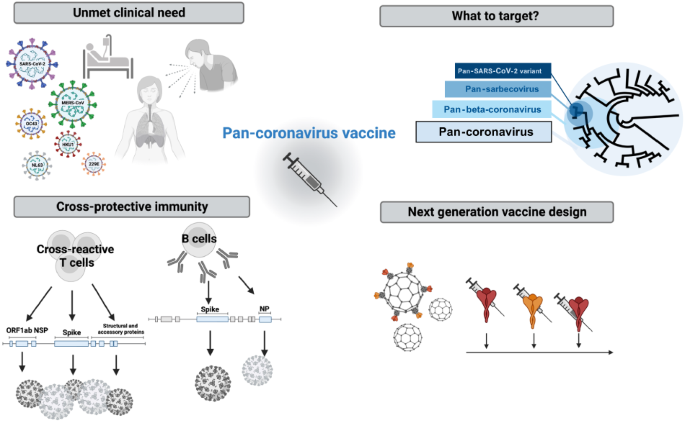
Researchers at Stanford Medicine have developed a universal vaccine candidate that demonstrates broad protection against various respiratory viruses, bacteria, and allergens in mouse models. This innovative intranasal vaccine integrates both innate and adaptive immune responses, sustaining protection in the lungs for several months. Led by Dr. Bali Pulendran, the team found that vaccinated mice were shielded from SARS-CoV-2, common hospital-acquired infections such as Staphylococcus aureus and Acinetobacter baumannii, as well as allergens like house dust mite proteins.
The implications of this research could be transformative for public health, particularly in simplifying seasonal vaccinations and enhancing responses to emerging respiratory threats. The vaccine’s mechanism, which mimics immune signaling rather than pathogen components, presents a novel approach that could address the limitations of traditional antigen-specific vaccines. As the researchers aim to advance to human trials, the potential for a universal vaccine could significantly alter the landscape of respiratory disease prevention, potentially offering protection against a multitude of pathogens with just a few doses.
Open the full market picture for your next decision →