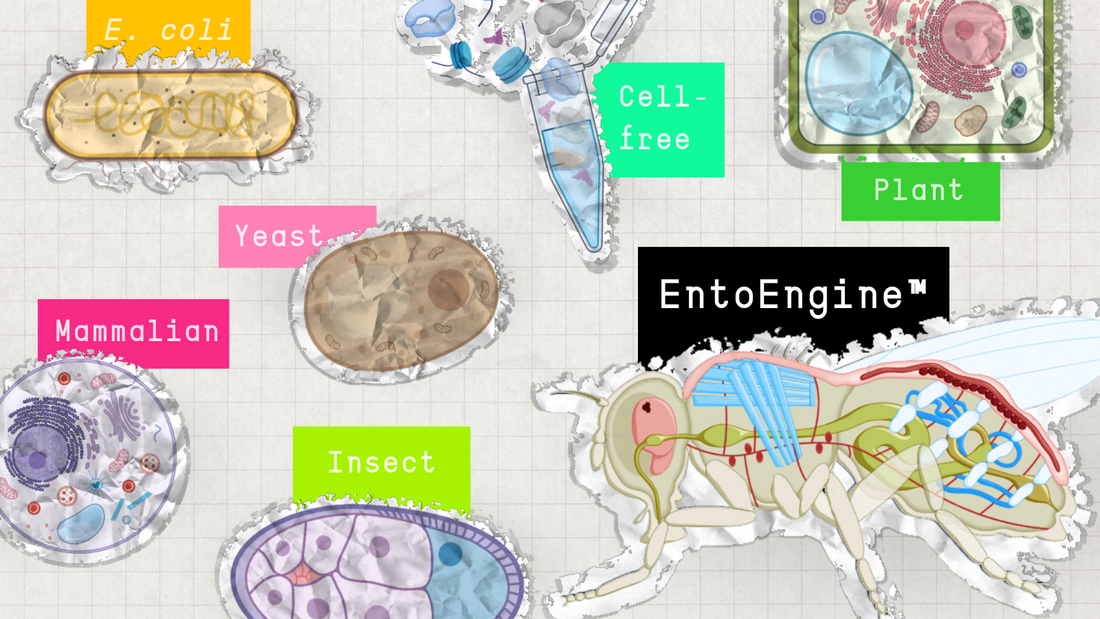
Recent research indicates that optimizing cell-free expression systems could enable biopharmaceutical companies to significantly reduce protein production costs. The study highlights the potential of these systems, which allow biochemical reactions to occur independently of living cells, to serve as viable alternatives for large-scale protein manufacturing.
According to Dr. Karen Polizzi from Imperial College London, cell-free protein synthesis (CFPS) offers flexibility for on-demand production, particularly for challenging products that are toxic to traditional cell-based systems. The research specifically examined yeast species Pichia pastoris, known for its ability to perform essential post-translational modifications, which are crucial for the functionality of many therapeutic proteins.
However, current P. pastoris systems yield significantly lower protein quantities compared to E. coli systems, with productivity ranging from 6 to 100 µg/mL. Additionally, the cost of necessary additives for Pichia systems is higher than those for competing platforms. To counteract these limitations, the research team explored various chemical additives to enhance yields and identified cost-effective glycolytic intermediates for ATP regeneration. Their findings underscore the importance of targeted optimization in CFPS, suggesting that strategic adjustments could lead to more economically viable production methods in biopharma.
Use the database as your supply chain compass →