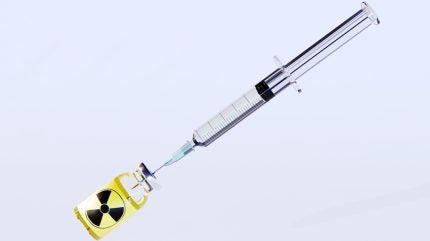
At ASCO 2026, radioligand therapies (RLTs) emerged as a focal point of discussion, generating significant excitement within the oncology community. These innovative treatments have shown promise in targeting specific cancer cells, potentially revolutionizing patient outcomes. However, the enthusiasm is tempered by concerns regarding their commercial viability and tolerability profiles, which remain critical barriers to their broader adoption.
The excitement surrounding RLTs is not merely anecdotal; it reflects a growing body of clinical evidence supporting their efficacy. Nevertheless, stakeholders in regulatory, quality assurance, and supply chain sectors must navigate the complexities of reimbursement and market access strategies to ensure these therapies can reach the patients who need them. Furthermore, addressing tolerability issues is essential to enhance patient compliance and overall treatment success.
As the industry looks to capitalize on the potential of RLTs, a concerted effort is required to mitigate these concerns. This includes engaging with regulatory bodies to streamline approval processes and collaborating across sectors to develop robust frameworks for monitoring and improving tolerability. Only then can RLTs fulfill their promise as a transformative force in cancer care.
Start your 7-day trial and see what the database can do →