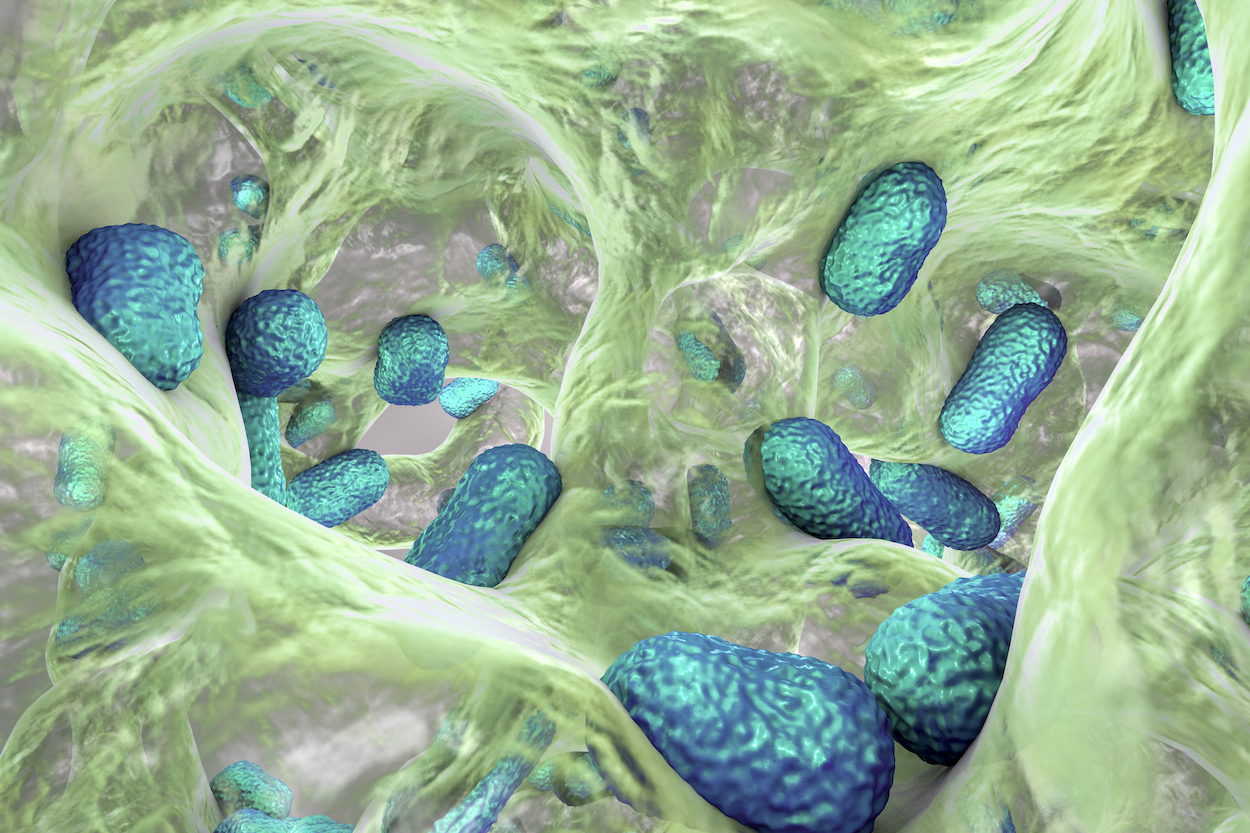
Researchers at the University of Pennsylvania have identified a novel class of antimicrobial peptides, termed “prionins,” derived from prion and prion-like proteins. Utilizing a deep learning platform named APEX 1.1, the team screened millions of protein fragments, uncovering over a thousand candidates, with 59 shown to inhibit various bacterial pathogens, including drug-resistant strains.
This discovery is significant as it challenges the conventional view of prions, typically associated with neurodegenerative diseases, by suggesting they may harbor antimicrobial properties. The findings indicate that biological activities could be concealed within proteins previously overlooked in antibiotic research, highlighting the role of artificial intelligence in expanding the search for new therapeutic agents.
As antibiotic resistance remains a pressing global health issue, this study opens new avenues for drug discovery by proposing that prion-related proteins may serve as a rich source for novel antibiotics. The implications of this research could reshape our understanding of prion biology and its potential connections to innate immunity, paving the way for innovative approaches in combating bacterial infections.
Start your 7-day trial and see what the database can do →