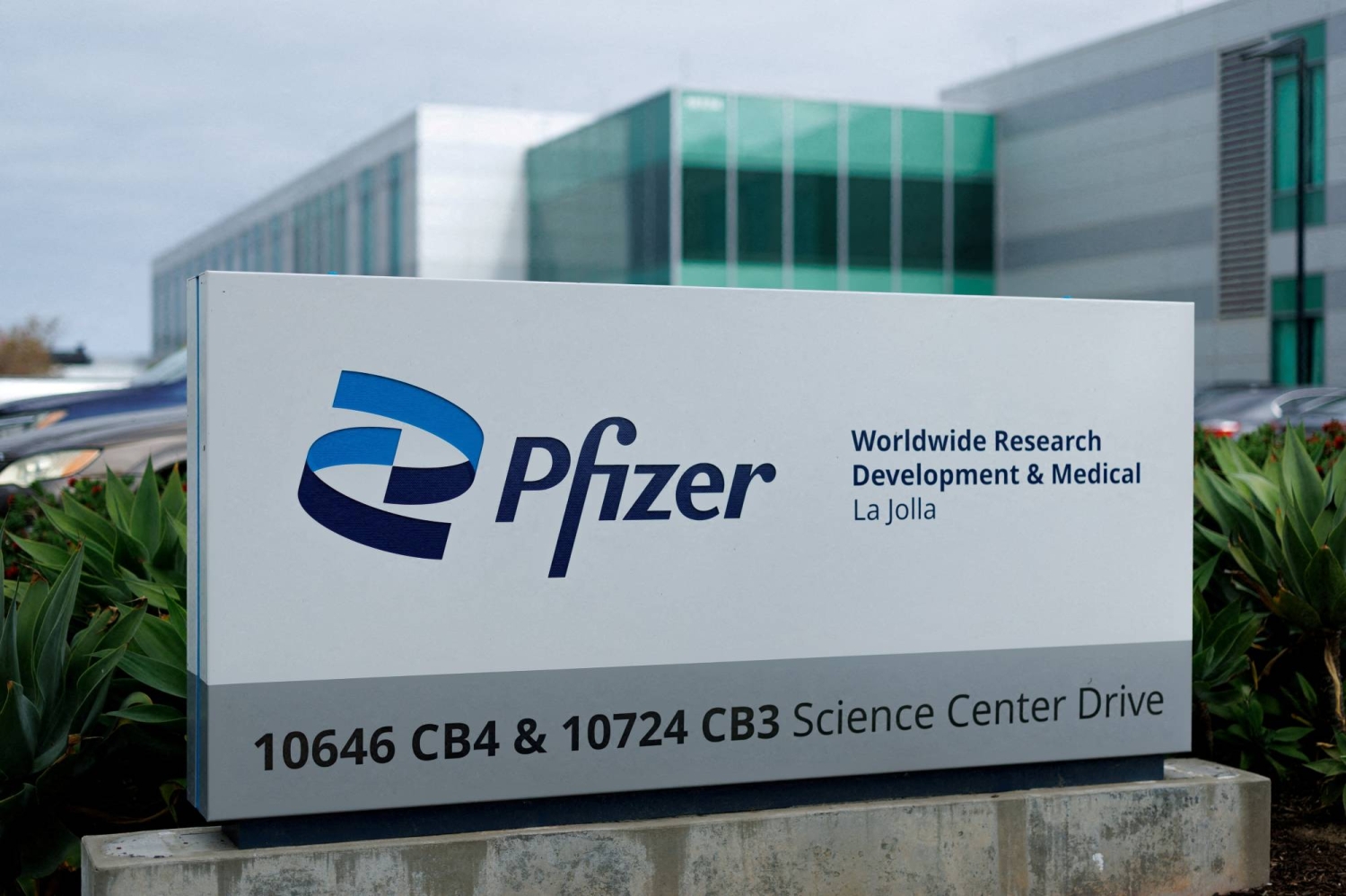
Pfizer announced on Monday that its experimental lung cancer drug, sigvotatug vedotin, did not achieve the desired outcomes in a recent clinical trial, raising concerns about its viability as a replacement for the established chemotherapy docetaxel.
The anticipation surrounding sigvotatug vedotin was significant, with Pfizer’s CEO, Albert Bourla, previously suggesting it could be a pivotal growth driver for the company in the coming years. Analysts, including Leerink’s David Risinger, had characterized the trial results as a potential “major oncology catalyst,” reflecting a broader optimism within the medical community about the drug’s prospects.
This setback comes on the heels of Pfizer’s $43 billion acquisition of Seagen, the biotechnology company behind sigvotatug vedotin, highlighting the high stakes involved in oncology drug development and the challenges pharmaceutical companies face in delivering innovative therapies to market.
Use the database as your supply chain compass →