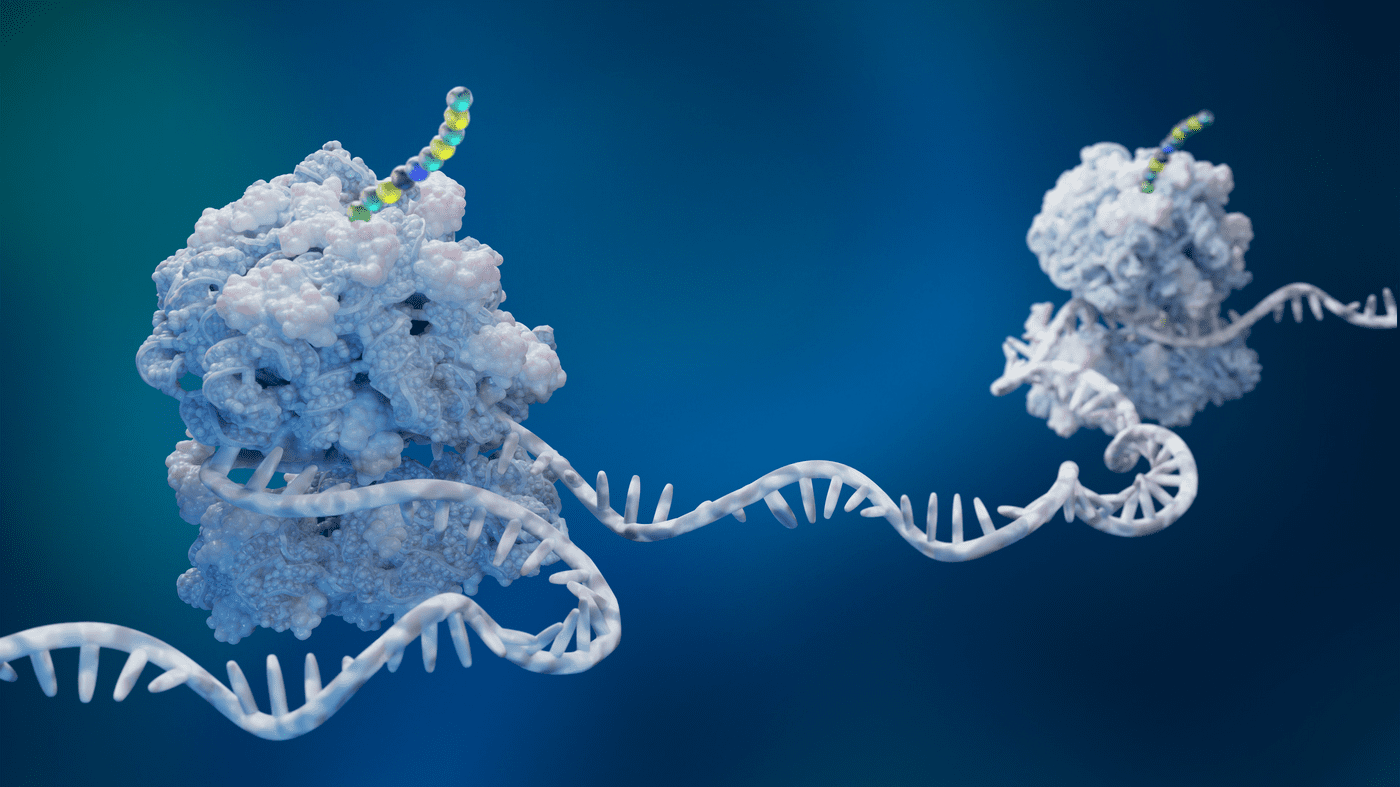
The manufacturing of weight loss drugs at large scale could get cheaper and more sustainable thanks to an engineered strain of Escherichia coli (E. coli) bacteria. This fully recoded E. coli, designed to use only 61 codons to synthesize proteins, is now being rolled out as a new method for manufacturing peptides with non-natural chemistries, according to Constructive Bio, the company behind the innovation.
Rob Salmon, PhD, head of bioprocess at Constructive Bio, emphasizes that the synthetic strain is poised to revolutionize the production of high-volume, hard-to-manufacture protein and peptide therapeutics. Currently, glucagon-like peptide-1 (GLP-1) agonists for weight loss are produced using chemical synthesis methods that are difficult to scale and generate significant toxic waste. In contrast, the engineered strain can produce these peptides via fermentation using standardized industrial processes.
Constructive Bio aims to integrate this technology into existing industrial operations, potentially scaling production to thousands of liters. The strain was developed to reduce the number of codons needed for protein synthesis, allowing for the incorporation of three new non-canonical amino acids. Following successful industrial fermentations, Salmon plans to present the promising results at the upcoming Bioprocessing Summit in Boston, challenging the prevailing notion that biological methods cannot match chemical processes in this domain.
Use the database as your supply chain compass →