Human pluripotent stem cells (hPSCs) are increasingly recognized as vital components in regenerative medicine, with over 100 clinical trials currently exploring their therapeutic potential for conditions such as Parkinson’s disease and type 1 diabetes. As this interest grows, the pharmaceutical industry faces a significant challenge: the need for reliable and cost-effective manufacturing processes to produce these cells at an industrial scale.
Experts Kevin Cyrys and Robert Zweigerdt from Hannover Medical School emphasize that the focus is shifting from merely growing stem cells in bioreactors to developing robust production platforms that ensure consistent quality across various facilities. This shift is crucial, as hPSCs can potentially serve as an unlimited resource for diverse therapeutic applications, mitigating the limitations of donor-derived tissues.
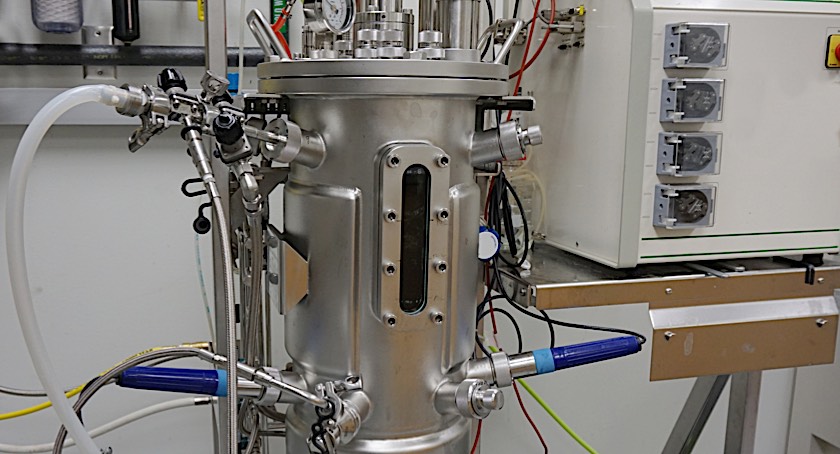
The scale of production required varies dramatically; some therapies may need only tens of thousands of cells, while others could require billions for a single treatment. Traditional laboratory methods are insufficient for these demands, prompting developers to adopt advanced three-dimensional suspension cultures in bioreactors. These systems offer enhanced control over critical parameters and align with good manufacturing practice (GMP) standards.
Significant progress has been made in producing various cell types, including cardiomyocytes and immune cells, with some platforms achieving billions of cells in liter-scale bioreactors. However, scaling production effectively involves more than just increasing yields; it requires a comprehensive approach to volumetric productivity, reproducibility, and integration of processes into a GMP-ready workflow.
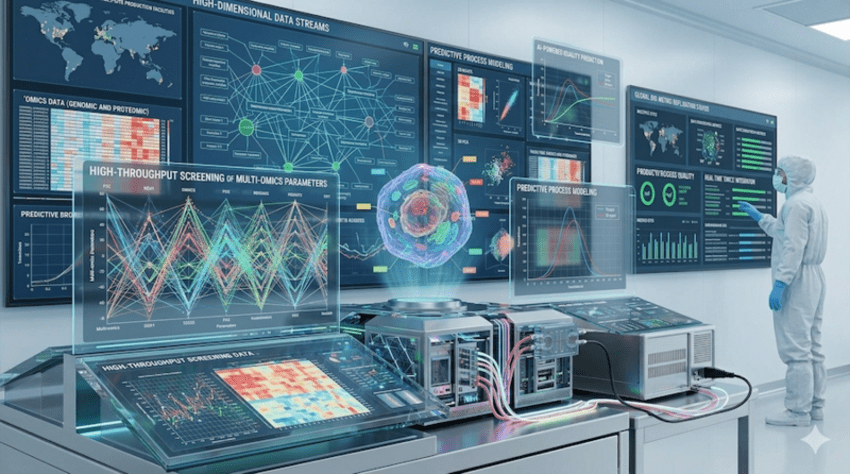
Looking forward, Cyrys and Zweigerdt predict that the evolution of stem-cell manufacturing will be driven by data-driven process control, with AI systems facilitating real-time decision-making to enhance batch comparability and product definitions. While challenges remain, particularly in cost and regulatory compliance, the industry has made significant strides. The focus is now on engineering reliable industrial processes that can translate complex stem-cell biology into reproducible therapeutic products.
Start your 7-day trial and see what the database can do →