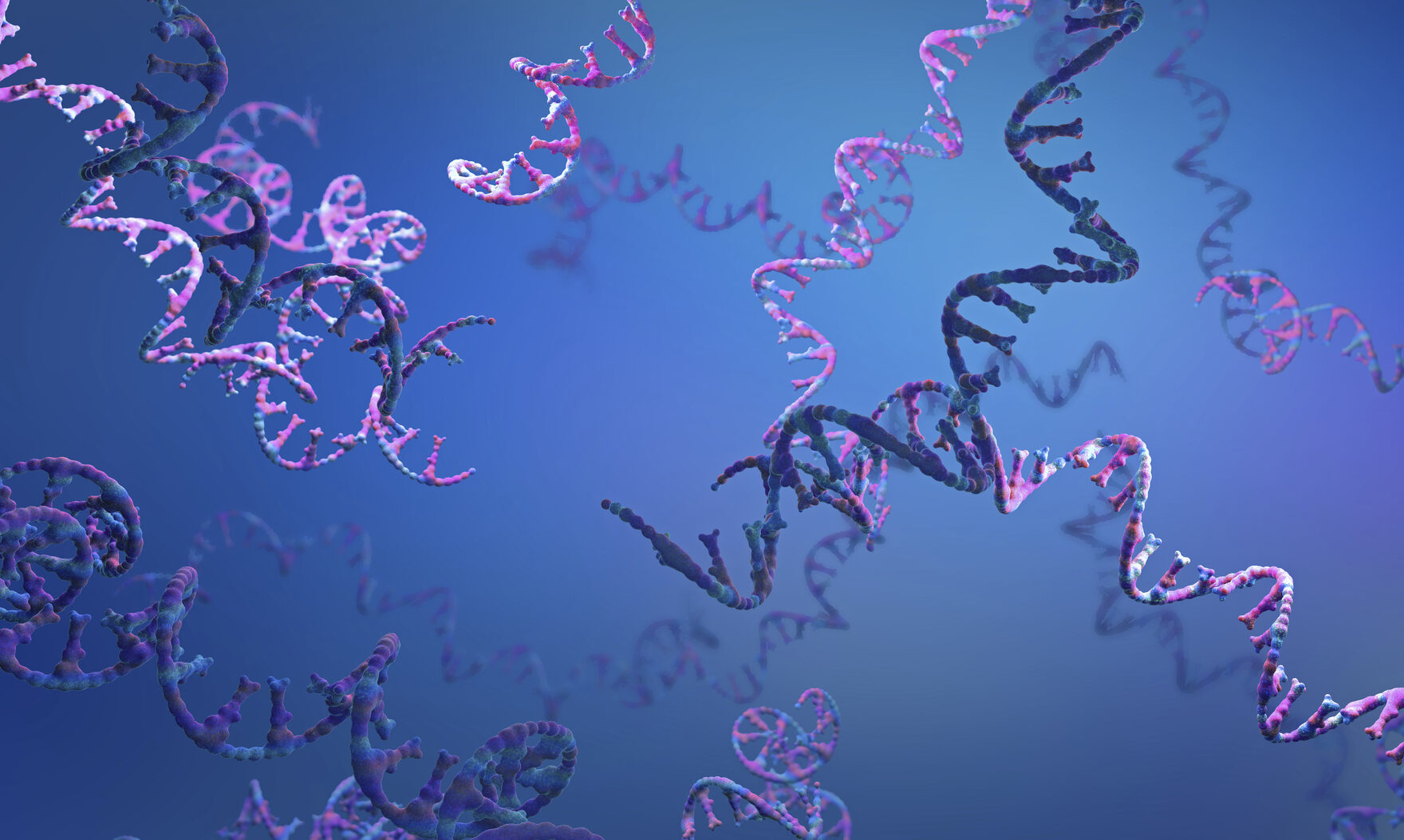
In a new study published in Nature Aging, researchers from the University of Texas (UT) MD Anderson Cancer Center have uncovered a previously unknown connection between R-loop nucleic acid structures and age-related inflammation, also known as inflammaging. This discovery paves the way for new therapeutic interventions targeting chronic inflammation and its associated health conditions.
In preclinical models, the administration of KPT-330 (selinexor) was shown to prevent the export of R-loops, resulting in significant improvements in inflammation, liver damage, fat gain, muscle loss, and overall lifespan. Dr. Rugang Zhang, a leading researcher on the study, emphasized the importance of understanding the underlying causes of chronic inflammation, which is a key factor in many age-related diseases, including cancer.
The study identifies R-loops as critical modulators of inflammatory signals released by senescent cells. These temporary structures, formed during transcription, are typically confined to the nucleus but are increasingly exported into the cytoplasm in senescent cells, where they trigger chronic inflammation. By blocking the nuclear export of R-loops with KPT-330, researchers observed a suppression of inflammaging and a reversal of age-related body composition changes. Future studies may explore more targeted approaches to mitigate side effects while leveraging this novel mechanism for therapeutic development.
Use the database as your supply chain compass →