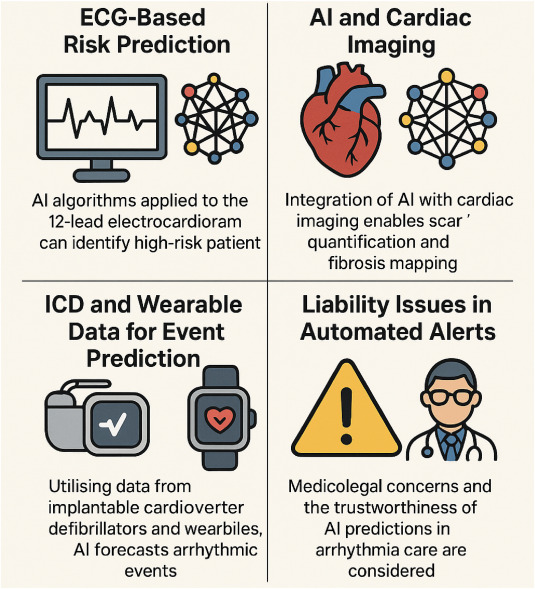
Recent advancements in artificial intelligence are shedding light on the longstanding medical enigma of sudden cardiac death (SCD), which claims over 350,000 lives annually in the U.S. This phenomenon is particularly tragic given its preventability through the use of implantable defibrillators, yet identifying at-risk individuals remains a significant challenge.
A groundbreaking study published in Nature reveals that AI can effectively pinpoint individuals at high risk for SCD, highlighting the role of cardiac fibrosis—previously deemed relatively benign—as a critical factor in these cases. The presence of scar tissue within the heart may be a key indicator of those who are often overlooked in traditional assessments.
This research not only enhances our understanding of SCD but also has profound implications for regulatory and clinical practices in the pharmaceutical and medical device industries, potentially guiding future developments in risk assessment and preventive strategies.
Use the database as your supply chain compass →