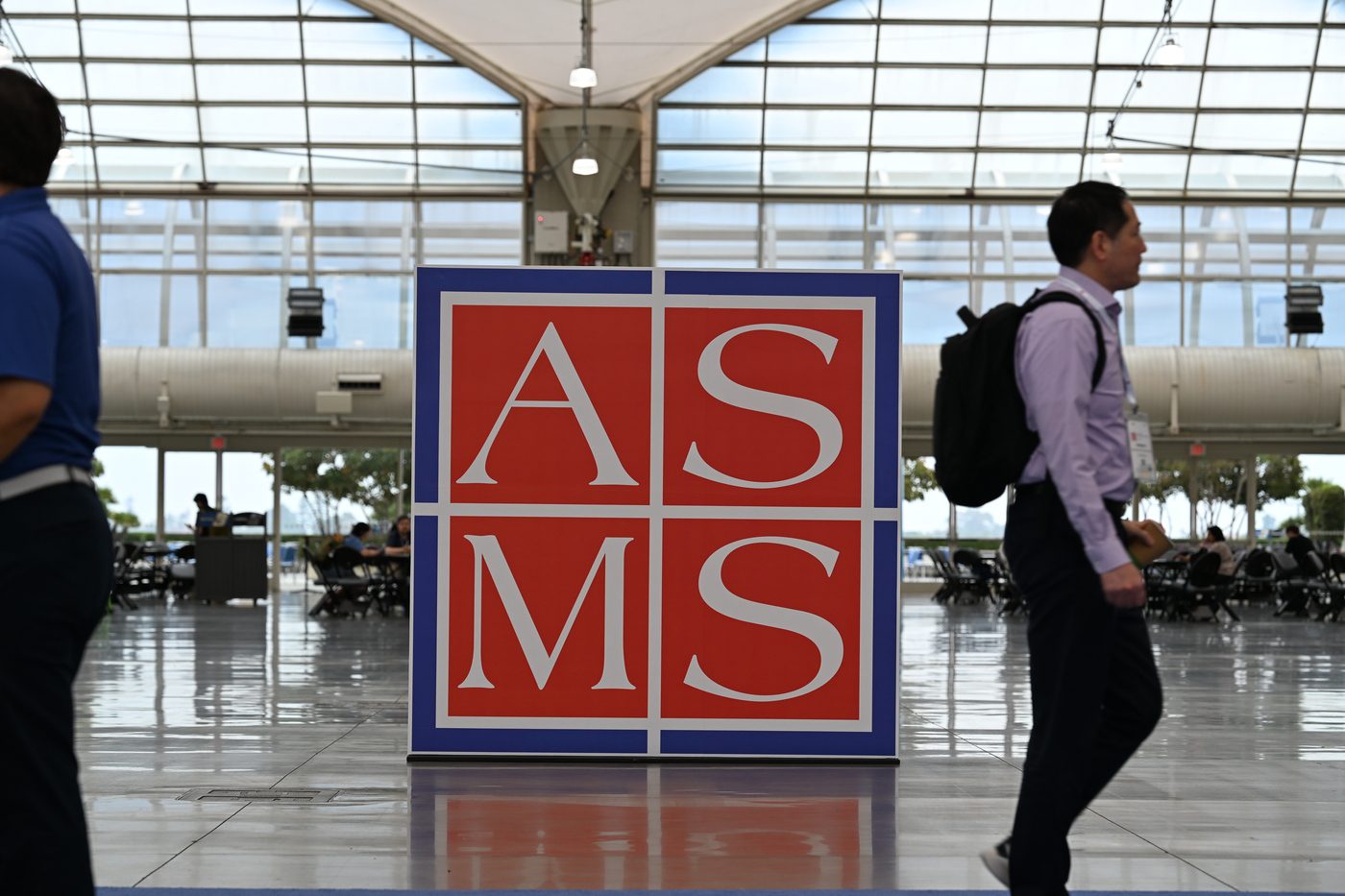
At the 74th American Society for Mass Spectrometry (ASMS) Conference in San Diego, the focus was on the advancements in hardware, with vendors unveiling faster acquisition systems and enhanced sensitivity. Key players such as Waters, Thermo Fisher Scientific, and Sciex showcased their latest innovations. However, discussions revealed a shift in the proteomics landscape, where the emphasis is moving from instrument performance to the surrounding ecosystem necessary for clinical application.
Experts like Dr. Jennifer Van Eyk of Cedars-Sinai highlighted that while mass spectrometry has reached impressive levels of sensitivity and accuracy, the real challenges now lie in sample preparation, data analysis, and standardization. This transition suggests that the future of proteomics will depend on overcoming these bottlenecks to achieve clinical scalability and trustworthiness. As faster instruments generate more data, the demand for robust analytical workflows and educational initiatives to bridge the knowledge gap in clinical settings becomes increasingly critical.
Start your 7-day trial and see what the database can do →