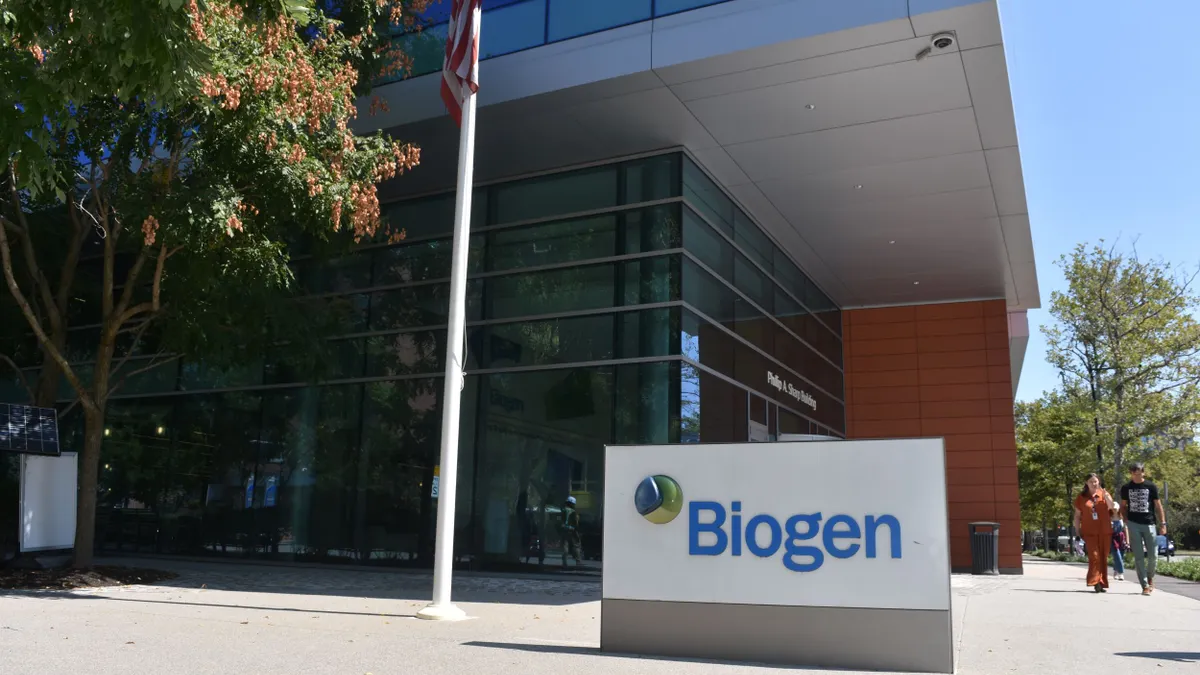
SAN DIEGO — Biotechnology is entering one of the most transformative periods in its history. However, according to Biotechnology Innovation Organization (BIO) CEO John Crowley, outdated regulations, rising development costs, and global competition threaten to slow progress unless policymakers act swiftly. At the 2026 BIO International Convention in San Diego, which attracted approximately 20,000 attendees, Crowley outlined a vision for the future of biotechnology focused on accelerating clinical research and maintaining U.S. leadership in a rapidly evolving global bioeconomy.
Crowley’s personal journey into biotechnology began in the late 1990s when two of his children were diagnosed with a rare form of muscular dystrophy. His experience highlighted the grassroots origins of many biotech innovations, emphasizing that significant scientific progress often emerges from small startups and academic collaborations rather than established pharmaceutical giants. He stressed that the current system of clinical trials is excessively burdensome, limiting innovation and delaying patient access to new treatments. Crowley praised the FDA’s new “Project Trailblazer” initiative aimed at modernizing human testing for experimental therapies.
Moreover, Crowley underscored the need for the U.S. to remain competitive against growing international rivals, particularly China, which has heavily invested in biotechnology as a strategic priority. He argued that the U.S. must treat its biotechnology industry as a national security asset and work collaboratively with policymakers to address regulatory barriers and funding challenges. As the industry celebrates over 50 years of innovation, Crowley believes that its future hinges not only on scientific breakthroughs but also on the modernization of systems governing how these breakthroughs reach patients. The next era of biotechnology could surpass previous advancements, provided the industry can effectively eliminate existing obstacles.
Use the database as your supply chain compass →