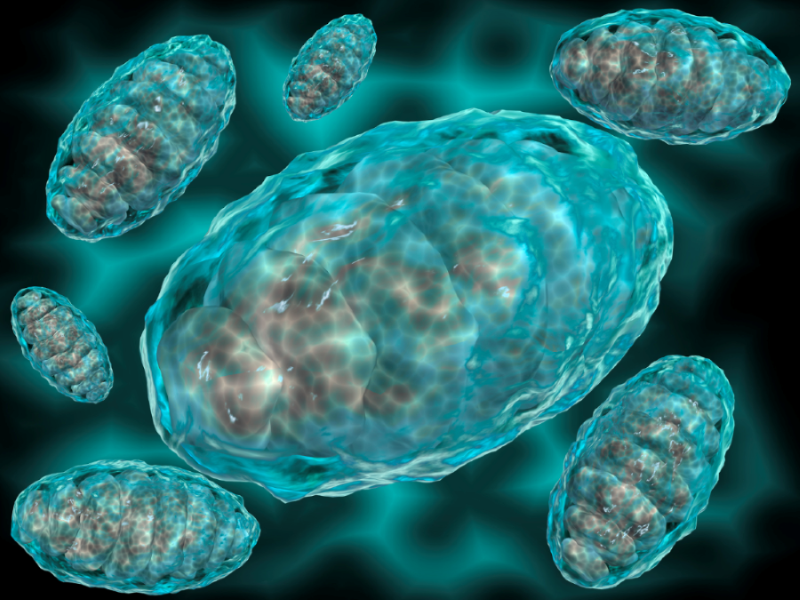
A recent study from the Salk Institute has uncovered a critical link between chronic exposure to interferon II (IFN-II) and immunosuppression in cancer, highlighting a novel pathway that may contribute to immunotherapy resistance. Interferons, initially known for their role in activating the immune response against cancer cells, can paradoxically promote tumor growth when present in elevated levels over extended periods. This research elucidates how chronic IFN-II exposure leads to mitochondrial dysfunction, ultimately enabling cancer cells to evade immune detection.
Senior author Gerald Shadel, PhD, emphasizes the significance of these findings, stating that understanding the transition of interferons from beneficial to detrimental is crucial for developing future cancer therapies. The study reveals that chronic IFN-II exposure induces the release of mitochondrial RNA, which triggers an immunosuppressive response that enhances tumor growth. This mechanism underscores the importance of mitochondrial signaling in cancer biology, suggesting that targeting this pathway could restore immune system efficacy against tumors.
The implications of this research are profound, particularly for the development of strategies to overcome resistance to anti-PD1 immunotherapies. By blocking the synthesis of prostaglandin E2, a key player in the identified immunosuppressive pathway, researchers were able to restore the immune system’s ability to combat melanoma cells previously resistant to treatment. These insights pave the way for innovative therapeutic approaches that could enhance the effectiveness of current cancer immunotherapies, ultimately improving patient outcomes.
Use the database as your supply chain compass →