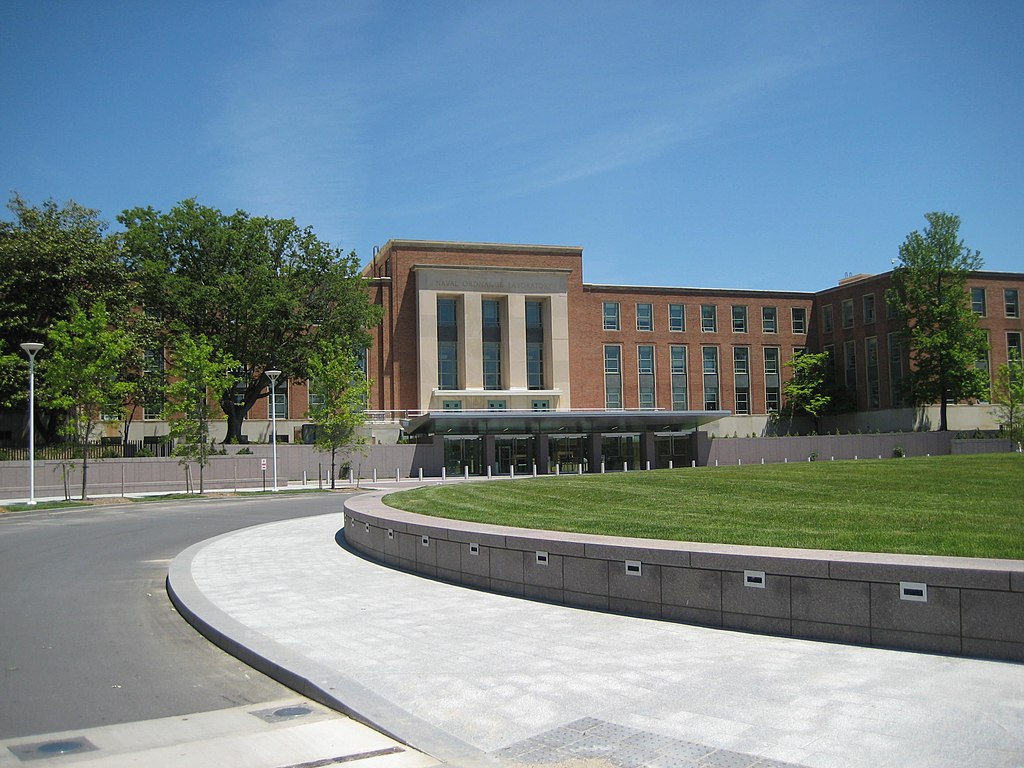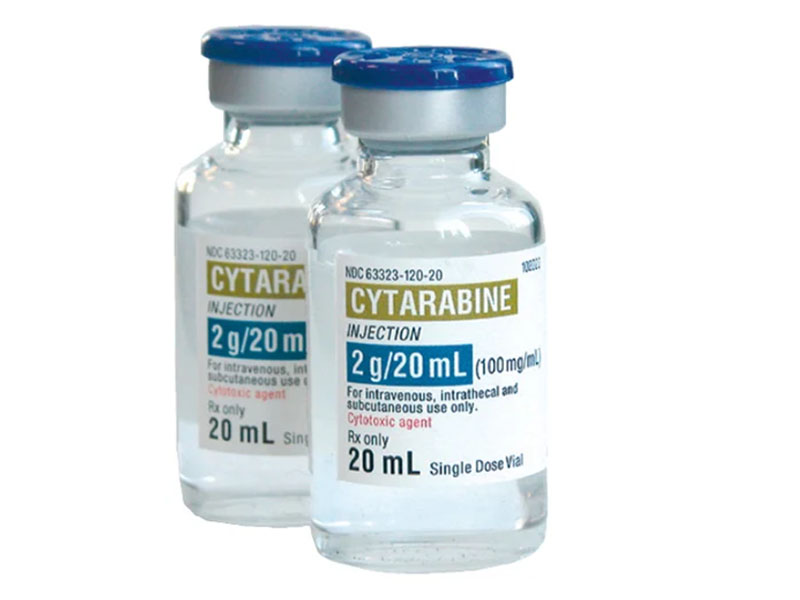
A cancer-drug plant in Ahmedabad that booked ₹330 crore in operating income last fiscal year has become one of the reasons US hospitals are short of cytarabine. Pfizer co-owns the site with Zydus Lifesciences, and the cytarabine shortage it feeds is expected to run into 2028, long after the plant itself is due to restart.
How a Gujarat flood became a US cytarabine shortage
Zydus Hospira Oncology Private Limited (ZHOPL) fills cytotoxic injectables in Ahmedabad. The joint venture dates to 2005, when Cadila Healthcare, now Zydus Lifesciences, set it up with Australia’s Mayne Pharma. Hospira bought into it in 2007 and Pfizer bought Hospira in 2016. Pfizer’s website, as cited by CancerNetwork, puts the site’s capacity at 7 million vials a year, shipped to the US, Europe, Japan, Canada, Australia and the wider Asia-Pacific.
From one monsoon night to a two-year gap
Medical Daily reported bleomycin listings from Pfizer, Fresenius Kabi and Hikma in the same week as the irinotecan listings, and ASHP’s third-quarter report linked part of the rise in chemotherapy shortages to the flood. Pfizer has not published a full product list for the site, so which listing traces directly to Ahmedabad is not confirmed.
You have seen this film before. When a single sterile site drops out, the list of affected presentations is always longer than the list of suppliers who can pick them up. We covered the same pattern from the regulatory side in Baxter’s exit from cephalosporin injectables.
A ₹425 crore plant shrinking to roughly ₹110 crore
CRISIL’s August 31 rationale gives the plant’s numbers. Operating income fell from ₹425 crore in fiscal 2025 to ₹330 crore in fiscal 2026 on lower volumes, while profit after tax rose to ₹45 crore. For fiscal 2027, the year of the flood, CRISIL expects revenue of ₹100–120 crore and a return to normal only from fiscal 2028.
CRISIL expects the flood year to cut ZHOPL’s revenue by about two-thirds from fiscal 2026.
Source: CRISIL Ratings, August 31, 2026. FY2027e bar drawn at the ₹110 crore midpoint.
Look at the cost line, because that is where a buyer learns how fragile this kind of plant is. CRISIL says API purchases make up about 70% of ZHOPL’s costs, and the plant historically held six to seven months of inventory. That buffer sat in the same building as the filling lines. The water did not discriminate between the two.
The Pfizer link also shapes who carries the margin. Since fiscal 2025 more of ZHOPL’s business has come from Pfizer-branded generics under a cost-plus arrangement, which helped lift operating profitability to 21.6% in fiscal 2026. Cost-plus protects the filler’s margin. It does nothing for the hospital that cannot get the vial.
Restart in 2027, US vials in 2028
The dates in circulation look contradictory until you read them as different milestones. CRISIL, based on what the company told it, expects manufacturing to stay disrupted until at least January 2027. Pfizer’s best case, as reported by Fierce Pharma and repeated by CancerNetwork, is new supply in mid-to-late 2028. Pfizer’s Korean unit told regulators in Seoul it expects cytarabine supply to normalize by the end of 2028, per Medical Daily.
US-market supply is expected roughly four times later than the earliest plant restart.
Sources: CRISIL Ratings; CancerNetwork; Medical Daily. Months after July 23, 2026.
Anyone who has requalified an aseptic suite knows why. Turning the lights back on is the easy part. After water damage the HVAC, water-for-injection loop and isolators have to be requalified, environmental monitoring has to settle, and aseptic process simulations have to pass before a single commercial batch is released. Then each presentation needs release data and stability, and if product moves to another site, a supplement to every affected ANDA joins a GDUFA review queue. That paperwork, not the pumps, sets the 2028 date.
The national picture is not a crisis on every line. ASHP counted 225 active shortages at the end of the third quarter, two fewer than in June and well below the record of 323 in early 2024. But new shortages are running hot, and oncology is where they hurt.
| ASHP measure | 2026 figure | Comparison | Multiple |
|---|---|---|---|
| New shortages, January–September 2026 vs all of 2025 | 87 | 89 | 0.98× |
| Active shortages, Q3 2026 vs Q2 2026 | 225 | 227 | 0.99× |
| Active shortages, Q3 2026 vs record (Q1 2024) | 225 | 323 | 0.70× |
Source: ASHP third-quarter 2026 shortage data as reported by Becker’s Hospital Review (Oct 20, 2026) and CancerNetwork (Nov 2, 2026).
Who absorbs the cost of one flooded oncology site
ZHOPL itself will survive. It carries no debt, held about ₹160 crore in cash and liquid investments at the end of July, roughly half of a year’s operating income, and expects insurance proceeds. CRISIL’s open question is how much of the claim is actually paid, and when.
The bill lands downstream. In an NCCN survey cited by Becker’s, all 31 responding cancer centers reported at least one anticancer drug in shortage, 7% could not keep every patient on the intended regimen and 39% said shortages hit clinical trials. That survey covers ifosfamide and carboplatin as much as the Ahmedabad products, but it shows how little slack is left when another site drops out.
The winners are the companies holding approved ANDAs for these presentations plus free capacity on a dedicated cytotoxic fill line. That is a short list. Several of the other names on the ASHP listings are short themselves, which tells you the spare capacity was never there.
The strongest argument on the other side deserves a fair hearing. A second validated cytotoxic line means a second containment suite, duplicate filings, duplicate stability programs and a second set of inspections. On old generics like cytarabine and bleomycin, that cost can exceed the margin the product earns, and India’s regulators are squeezing oncology prices at home too, as India’s new oncology trade-margin caps showed this month.
The data also cut both ways. Active US shortages are flat, the Ahmedabad site may restart within months, and nobody has shown which shortage listings trace to this one plant. A buyer could reasonably argue that one bad monsoon is a risk worth carrying on a low-margin product. That holds right up to the moment the risk lands on your formulary.
Our view is simple. The flood was weather; monsoon season in Gujarat comes with a calendar. Putting the validated line and the safety stock for a family of leukemia and colorectal-cancer injectables in one building was a commercial decision, made because the price per vial left no room for a second site.
What to check while the line is dark
Concentration has a price whichever way you count it. We traced how buyers end up paying for it in a different class of products in how concentrated antibiotic supply gets priced.
- Pull the site of manufacture for every cytarabine, irinotecan and bleomycin presentation you buy. If it reads Ahmedabad, plan for supply gaps through 2028, not January 2027.
- For each affected product, list the other ANDA holders and check whether their fill site is a dedicated cytotoxic facility with a recent clean inspection.
- Ask current suppliers where their safety stock physically sits. Stock in the same building as the filling line is not a second source.
- For contract manufacturers, check what a site transfer would require: which supplements, how many exhibit batches, and whether stability data already exist at the receiving site.
- Write the cost of qualifying a second site into the tender math now, while you can still compare it with the cost of a 2028 gap.
Safety stock kept next to the filling line is a photograph of inventory. A buffer lives somewhere else.
- Rating Rationale: Zydus Hospira Oncology Private Limited — CRISIL Ratings, August 31, 2026
- Flood-Damaged Plant May Prolong US Chemotherapy Shortages to 2028 — CancerNetwork, November 2, 2026
- Pfizer India site closure risks exacerbating cancer drug shortages — Endpoints News, October 28, 2026
- Flood-Damaged Pfizer Plant in India Will Not Reopen Until 2028 — Medical Daily, October 29, 2026
- Cancer drug shortages worsen: 7 notes from ASHP’s Q3 report — Becker’s Hospital Review, October 20, 2026
- The 2026 chemo shortage: A timeline — Becker’s Hospital Review, October 26, 2026
- Chemotherapy Drug Shortages Compounded by Plant Shutdown in India — HPN, November 2, 2026