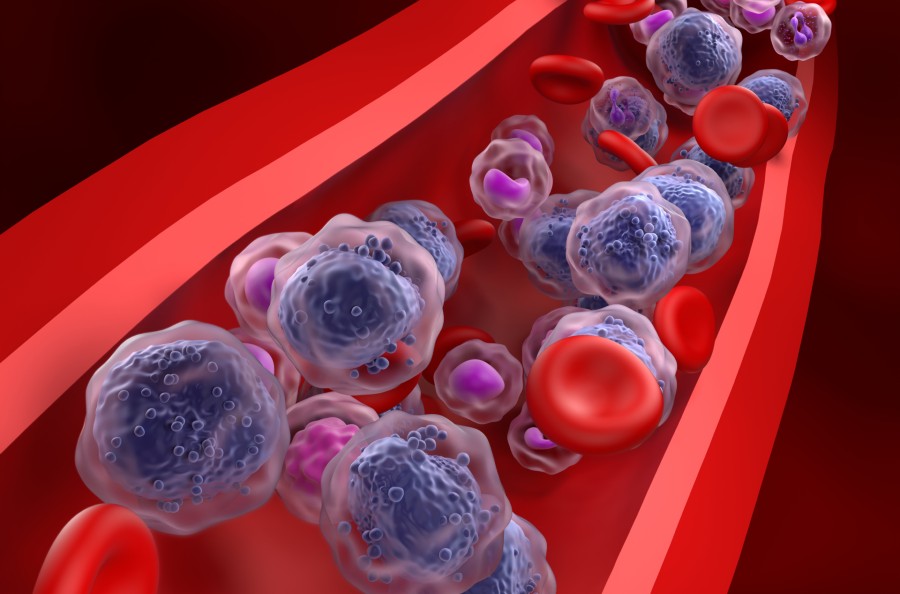
Scientists from The Jackson Laboratory (JAX) and collaborators have uncovered a novel approach to treating acute myeloid leukemia (AML) by reactivating a critical tumor suppressor gene. Their findings, published in Science Translational Medicine, suggest that this strategy could provide an alternative to conventional chemotherapy, which often comes with severe side effects. The study emphasizes the potential for epigenetic reprogramming to not only combat AML but also to enhance our understanding of gene-silencing mechanisms in various diseases.
In AML, tumor suppressor genes are often silenced through epigenetic modifications, complicating treatment efforts. Eric Wang, PhD, who led the research, noted that identifying and reactivating these silenced genes could lead to innovative therapeutic avenues. The team developed a tool, FISHnCRISP, integrating fluorescence in situ hybridization with CRISPR technology to map gene activity, successfully restoring expression of the ZBTB7A gene, which diminished the aggressiveness of AML cells.
Furthermore, the study revealed that inhibiting KDM4 enzymes, which silence ZBTB7A, allowed for the reactivation of this gene, thereby reducing leukemia burden without harming normal blood cell formation. Wang highlighted the availability of existing drug candidates targeting KDM4, suggesting that this epigenetic strategy could be a safer alternative to chemotherapy. Future research will focus on optimizing this approach and exploring its potential in combination with current therapies, potentially accelerating the transition to clinical trials.
Use the database as your supply chain compass →