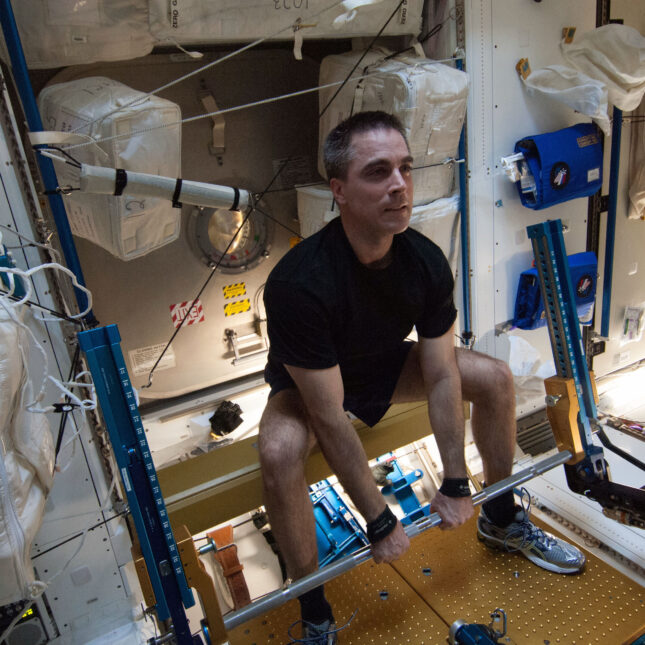
Recent research highlights the cardiovascular implications of prolonged spaceflight, particularly as NASA prepares for future Mars missions. A study led by Benjamin Levine, a prominent cardiologist consulting for NASA, investigates the efficacy of exercise in preserving heart health during extended periods in microgravity. This research is critical as it addresses the unique challenges posed by space environments on human physiology.
Published in the journal Circulation, the study involved onboard echocardiograms of 13 astronauts over six months in space. The findings revealed mild but transient alterations in cardiac structure and function when transitioning from Earth’s gravity to microgravity. This data is essential for understanding the effects of long-duration spaceflight on heart health, particularly as it relates to astronauts’ recovery upon return to Earth and the potential impact of Martian gravity.
Use the database as your supply chain compass →