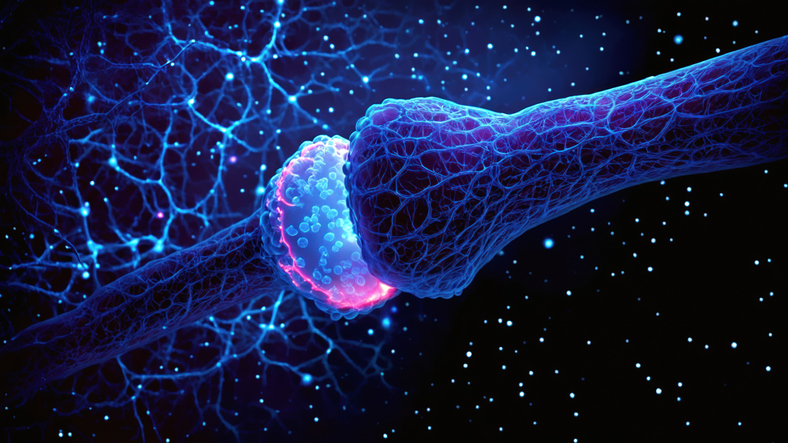
Neurodegenerative diseases affect tens of millions of people worldwide. A new study published in Cell Death Discovery titled, “Sustained dysregulation of iron and glutathione homeostasis induces chronoferroptosis, a persistent ferroptotic adaptation in neuronal cells,” points to iron accumulation as a key target in the effort to predict, prevent, and treat neurodegenerative diseases.
“Resilience has become a huge topic of discussion when it comes to Alzheimer’s disease and other neurodegenerative disorders, trying to make the brain more resilient in the face of stressors that contribute to neurodegeneration,” said Pam Maher, PhD, co-corresponding author and a research professor at the Salk Institute. “Our study reveals that cells lose resilience when iron hits a certain level, making neurons more susceptible to stressors that damage or even kill them.”
The authors suggest iron buildup is caused by a failure in iron export machinery. Using a human-derived nerve cell line, the study generated a progressive model of iron accumulation in neuronal cells. They compared the effects of both acute (between six and eight hours) and chronic (nine days) exposure to iron and found the chronoferroptosis pathway. “We think these coordinated alterations in iron-handling and antioxidant defense proteins make chronically exposed neurons vulnerable to neurodegenerative pathology,” said Dar. “Entering this state of chronoferroptosis may set neurons up for age-related failure.”
Researchers aspire to detect when iron accumulation starts stressing neurons to develop new interventions for addressing iron imbalances to keep neurons resilient. “It’s not something we worked on in this paper, but our lab has developed several compounds to inhibit this pathway,” says Maher. “This could really be a promising therapeutic route for boosting neuron resilience and staving off neurodegeneration as we grow older.”
Start your 7-day trial and see what the database can do →