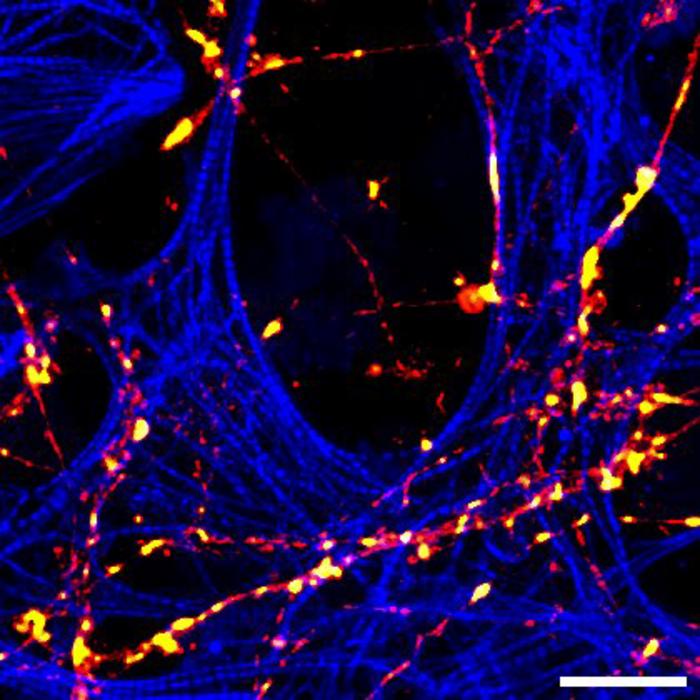
Researchers at Johns Hopkins University have successfully visualized the transport of the nerve growth factor receptor TrkA within neurons through a process known as transcytosis. This imaging study sheds light on how this unconventional mechanism facilitates neuronal function and connectivity in mice, providing critical insights into receptor trafficking that could influence future therapeutic strategies.
In their publication in Science Signaling, the team led by Dr. Rejji Kuruvilla concluded that transcytosis might play a broader role in the targeted transport of various receptors and proteins essential for neuronal health. Given that axons can extend considerable distances from the cell body, efficient transport mechanisms like transcytosis are vital for maintaining synaptic integrity and neuronal communication.
The findings suggest that understanding transcytosis could have significant implications for developing treatments aimed at nerve repair following injury or neurodegeneration. By elucidating the dynamics of receptor transport, this research opens avenues for enhancing neuronal recovery and function, emphasizing the need for a deeper exploration of receptor trafficking mechanisms in both health and disease.
Get started today with Solo access →