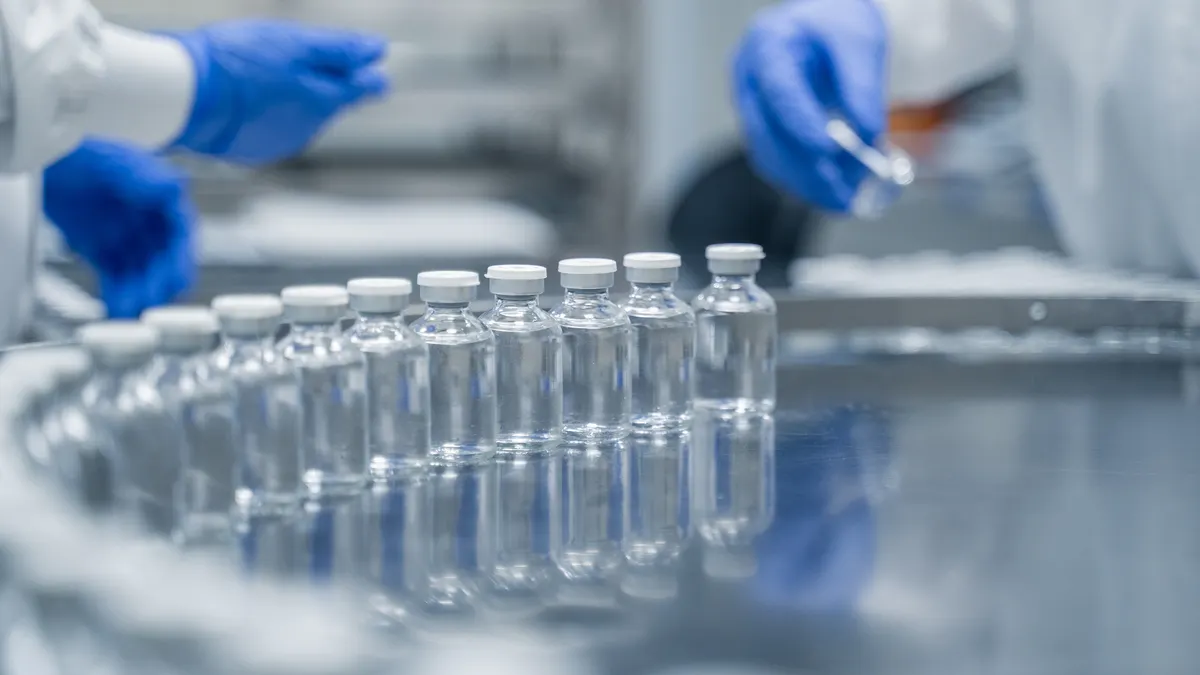
Manufacturing hurdles are just one challenge the industry must overcome to commercialize personalized mRNA cancer vaccines. As the pharmaceutical sector increasingly turns to mRNA technology, the complexities involved in scaling production processes and ensuring quality control have become apparent. These vaccines, which are designed to elicit a tailored immune response against individual tumors, require sophisticated manufacturing capabilities that many companies are still developing.
Contextually, the regulatory landscape surrounding mRNA therapies adds another layer of complexity. Regulatory bodies are scrutinizing these novel treatments for safety and efficacy, necessitating extensive clinical trials that can delay market entry. As companies navigate these challenges, the need for robust quality assurance and control mechanisms becomes critical to meet both regulatory standards and patient expectations.
The implications of these manufacturing and regulatory challenges are significant. Delays in commercialization could hinder the potential of mRNA cancer vaccines to transform treatment paradigms, ultimately affecting patient outcomes and market dynamics. Industry stakeholders must collaborate to streamline processes and innovate solutions that will facilitate the timely introduction of these promising therapies into the market.
Start your 7-day trial and see what the database can do →