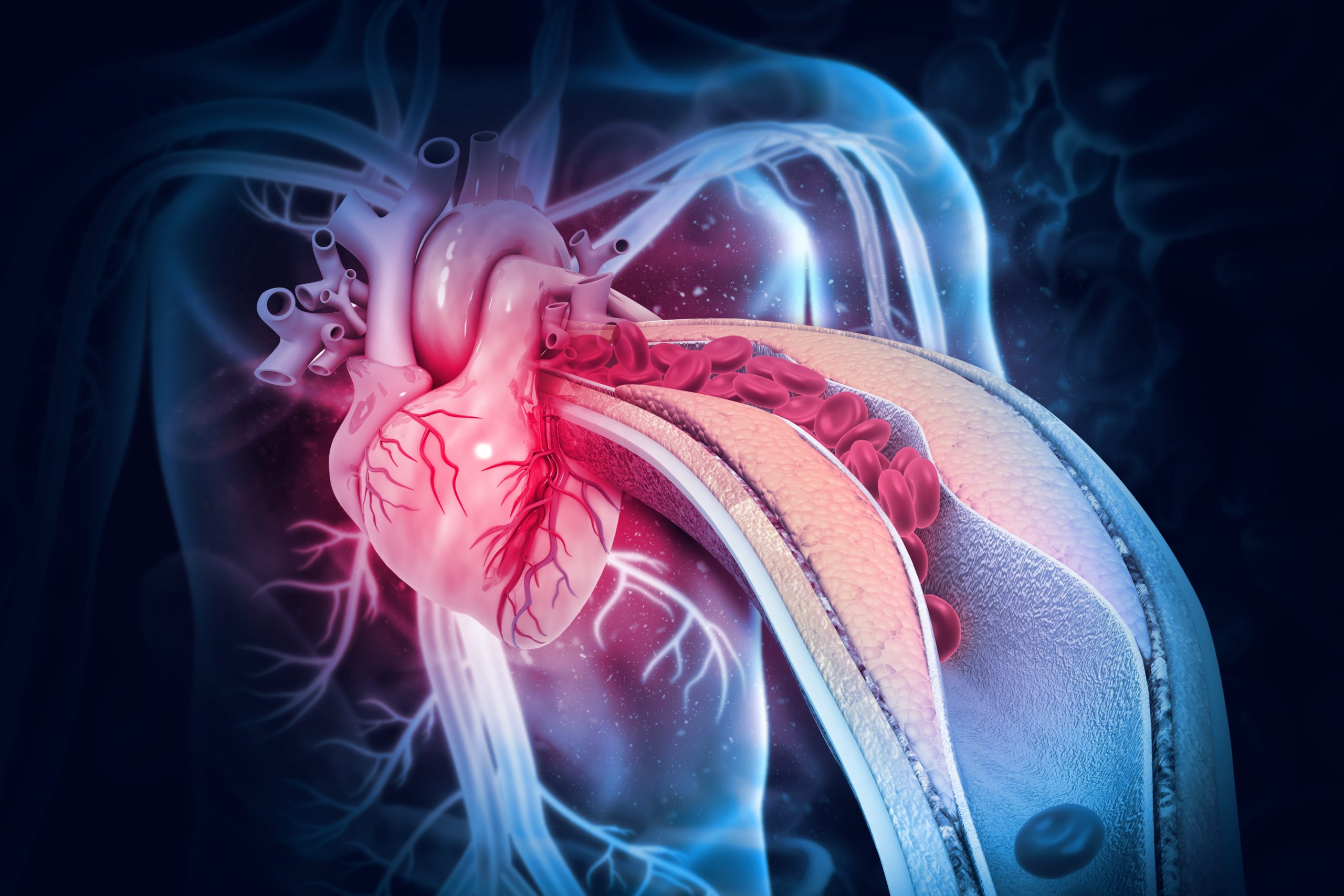
Researchers at the University of California, San Diego, have identified a novel biological pathway that could revolutionize cholesterol management. This discovery centers on a protein called Ral, which plays a critical role in the liver’s ability to clear low-density lipoprotein (LDL) cholesterol from the bloodstream. Despite the availability of various cholesterol-lowering medications, many patients struggle to achieve optimal cholesterol levels due to side effects or inadequate efficacy. The preclinical study, published in Nature, highlights how high-cholesterol diets activate Ral, leading to a decrease in LDL receptors on liver cells, which are essential for cholesterol clearance.
Disruptions in cholesterol homeostasis are linked to increased cardiovascular disease risk, underscoring the significance of this research. The study reveals that inhibiting a lysosomal protease enzyme called cathepsin A can stabilize LDL receptors and enhance cholesterol clearance. With a previously tested CTSA inhibitor already deemed safe in humans, there is potential for expedited clinical trials targeting high cholesterol. This breakthrough could pave the way for new therapeutic options, addressing the unmet needs of patients unable to manage their cholesterol effectively with existing treatments.
Use the database as your supply chain compass →