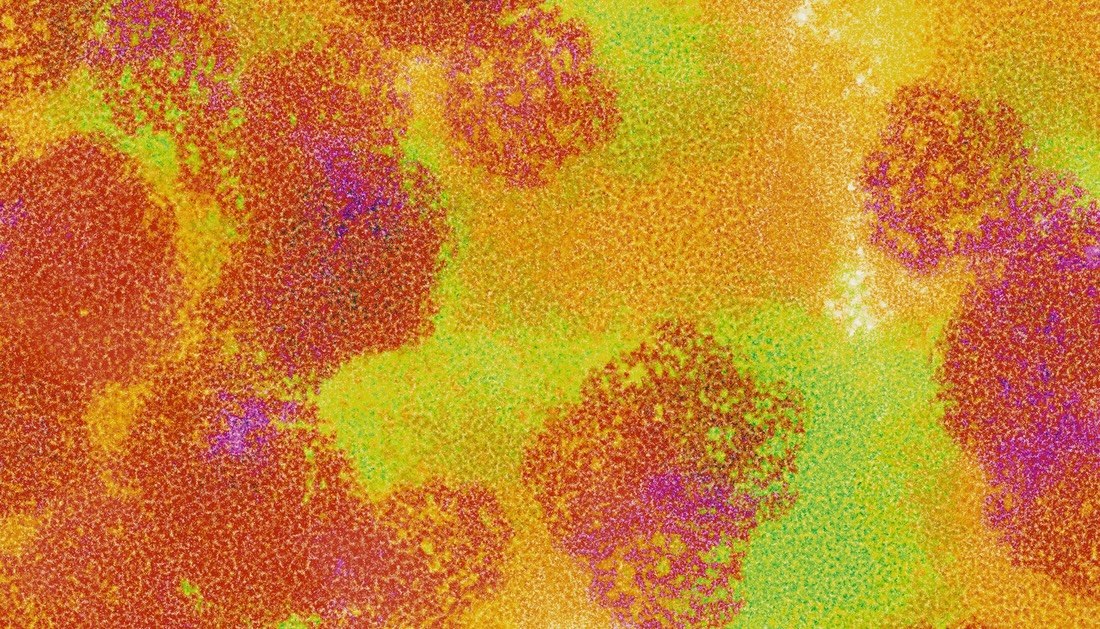
Virus-like particles (VLPs) are gaining traction among biomanufacturers due to their favorable biosafety profiles and immunogenicity, yet the downstream purification process remains a significant bottleneck. According to a recent review by Jingchao Zhang, PhD, and Chen Chen, successful VLP purification demands an integrated, product-specific process design that aligns with the critical quality attributes of the target particle. The complexity of VLP generation introduces several potential failure points, each susceptible to environmental and process-induced stresses.
To address these challenges, the authors suggest buffer optimization, emphasizing the importance of evaluating pH, ionic strength, and stabilizers that enhance thermal stability. They also advocate for ‘gentle chromatography’ using macroporous media, which improves binding capacity and recovery while being less damaging to VLPs compared to traditional narrow-pore agarose media. This approach necessitates a careful balance between separation performance and particle preservation, a critical consideration for maintaining VLP integrity.
As the field evolves, the integration of process analytical technology for real-time monitoring and control is becoming increasingly vital. However, managing product heterogeneity remains a complex challenge, necessitating multi-step purification strategies that address both process- and product-related impurities. Zhang and Chen highlight the need for more viral clearance studies to establish effective purification protocols, given the diversity of expression systems employed. Looking ahead, advancements in responsive materials, AI-driven predictions, and clearer regulatory standards are anticipated to enhance VLP purification processes.
Open the full market picture for your next decision →