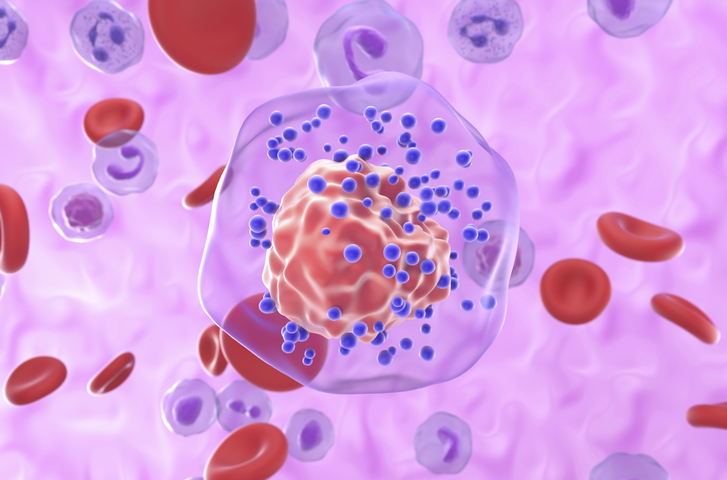
Researchers at Georgetown’s Lombardi Comprehensive Cancer Center have identified RAGE (receptor for advanced glycation end-products) as a significant factor contributing to the increased mortality rates associated with breast cancer in older patients. Their study, which utilized various mouse models and human breast cancer samples, highlights how RAGE amplifies inflammatory signaling, particularly as metastatic progression occurs. The findings suggest that targeting RAGE could provide a novel therapeutic approach for older patients suffering from breast cancer.
Dr. Barry Hudson, the study’s lead author, emphasized the importance of understanding the role of aging in cancer metastasis, noting that traditional research often relies on younger animal models, which do not accurately reflect the complexities of older patients. The research team observed that aged mice exhibited significantly higher rates of lung metastases compared to their younger counterparts, a phenomenon that was mitigated by the genetic deletion of RAGE.
Furthermore, the study revealed that elevated levels of inflammatory molecules associated with aging activate RAGE, facilitating cancer cell invasion and spread. This underscores the need for further mechanistic studies to explore how aging alters the tumor microenvironment and impacts treatment outcomes. The researchers are currently evaluating the RAGE inhibitor TTP488 in clinical trials, aiming to determine its efficacy in improving outcomes for older breast cancer patients, who often face limited therapeutic options due to heightened toxicity concerns.
Start your 7-day trial and see what the database can do →