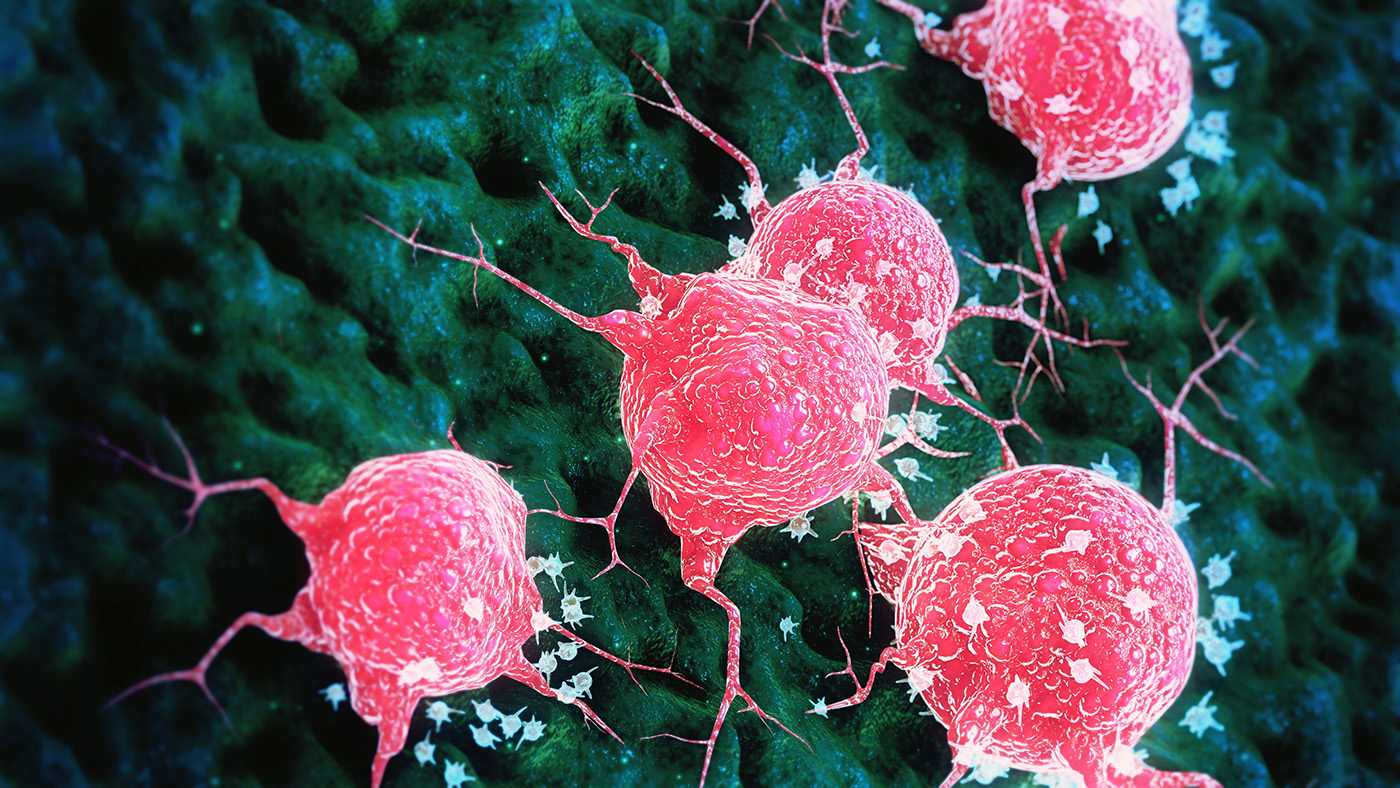
ATCC and the Broad Institute have developed engineered isogenic cancer models to replicate resistance to targeted therapies, focusing initially on osimertinib, a next-generation epidermal growth factor receptor (EGFR) inhibitor for non-small cell lung cancer (NSCLC) with EGFR mutations. This advancement addresses a significant challenge in oncology: the treatment resistance that often develops over time. While targeted therapies like osimertinib have improved overall survival rates, the emergence of resistance remains a critical barrier to long-term patient outcomes.
Traditionally, developing resistant models from patient tumors can be a lengthy process due to limited sample availability. In contrast, the new approach allows researchers to engineer resistance mechanisms in controlled laboratory settings, enabling a rapid and systematic study of various escape pathways. The collaboration between ATCC and the Broad Institute utilized CRISPR gene editing and gene overexpression techniques to create a panel of drug-resistant NSCLC models that mimic the resistance mechanisms observed in patients treated with osimertinib.
According to Roth Cheng, PhD, CEO of ATCC, these models facilitate side-by-side comparisons of drug-sensitive and drug-resistant cancer cells, enhancing the understanding of therapeutic resistance and its underlying drivers. The engineered isogenic systems will be integrated into the Cancer Dependency Map (DepMap), contributing to a comprehensive framework for characterizing cancer responses to therapy and the evolution of resistance. This collaborative effort not only aims to identify new vulnerabilities and therapeutic strategies but also ensures that both the biological models and associated data will be accessible to the global research community, ultimately improving outcomes for cancer patients.
Get started today with Solo access →