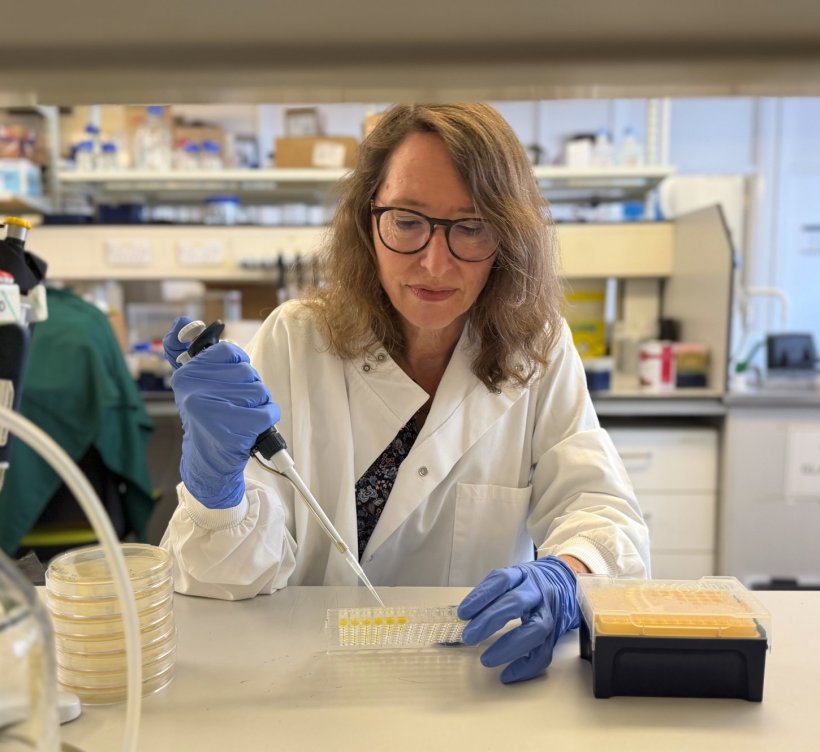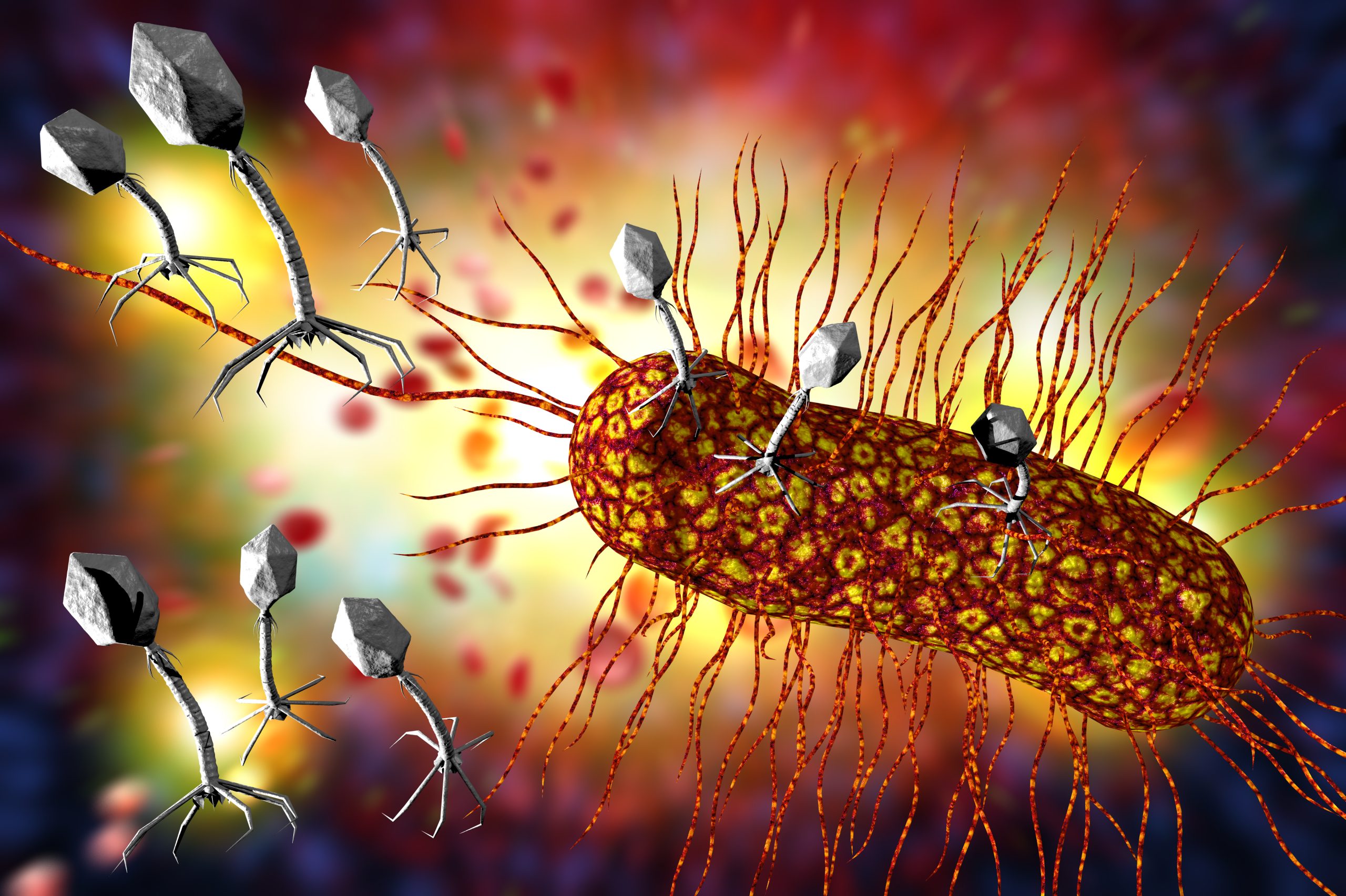
Researchers at Virginia Tech have successfully developed a prophylactic phage therapy that protects mice from oral infections caused by Salmonella enterica Typhimurium (STm). This innovative approach involves engineering a nonpathogenic Escherichia coli strain that produces bacteriophages specifically targeting STm, thereby enhancing survival rates in mouse models of STm-induced colitis. The study, led by Dr. Bryan Hsu, demonstrates that pre-colonization of the gut with these engineered bacteria can significantly improve outcomes against subsequent infections.
The implications of this research extend beyond Salmonella, as the team suggests that this method could pave the way for new therapeutic strategies against various bacterial pathogens. Dr. Rogerio A. Bataglioli emphasized that while this approach is not intended to replace antibiotics, it offers an additional option in the fight against antibiotic-resistant infections. The findings, published in Nature Microbiology, underscore the potential of phage therapy to be reimagined as a preventive measure rather than solely a treatment, marking a significant advancement in the field.
Open the full market picture for your next decision →